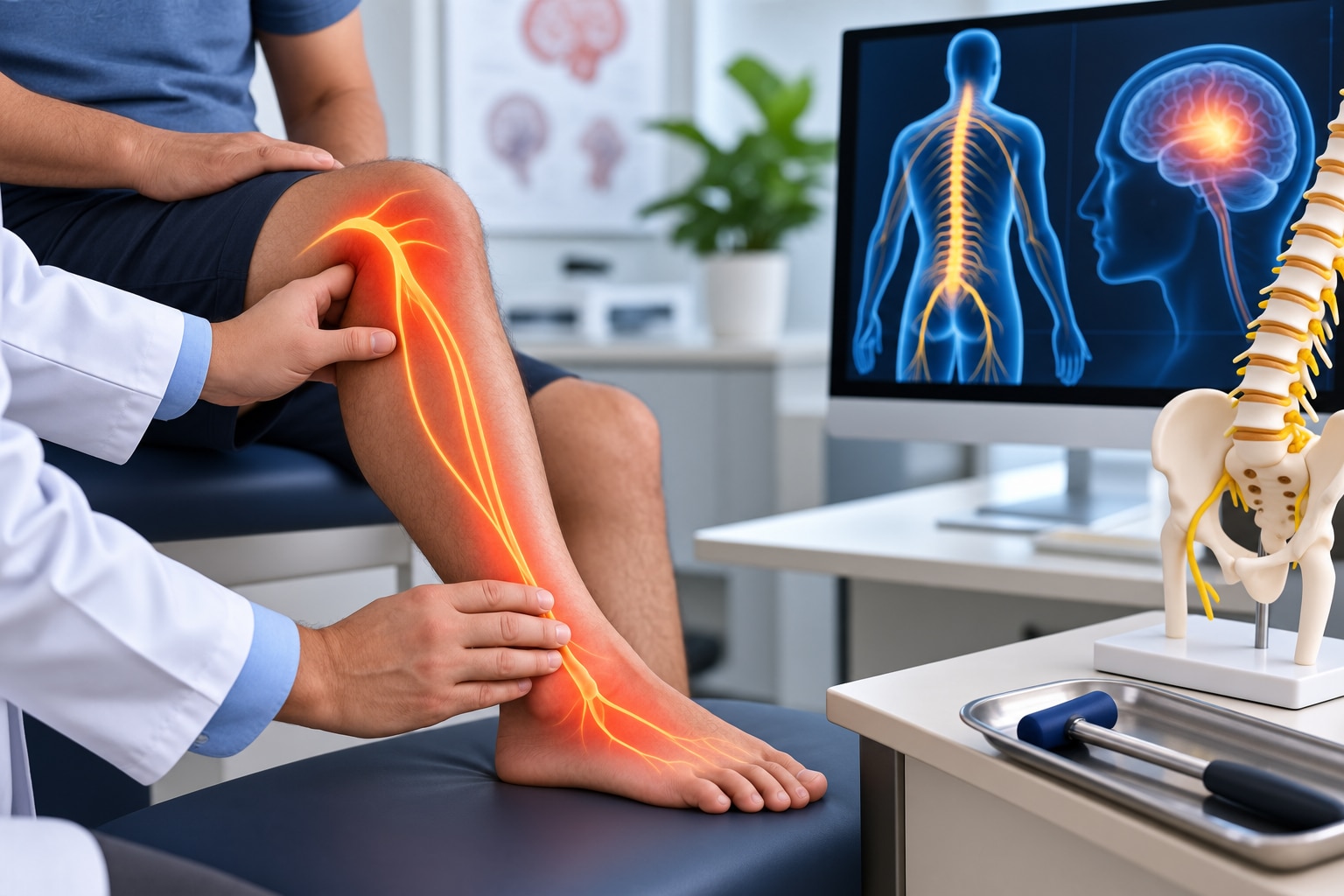
Burning, electric-shock pain, tingling or numbness can come from a peripheral nerve, a nerve root, medication, shingles or a problem outside the nervous system. Knowing what to bring, what the examination checks and when tests are useful will help you prepare for an efficient consultation and recognise symptoms that need urgent care.
Key takeaways
- Describe the pain’s location, quality, timing, triggers and effect on daily activities.
- Expect strength, reflex, sensation, balance and walking checks during the neurological examination.
- Ask what each test will show and how its result changes your treatment plan.
- Seek urgent care for sudden weakness, facial drooping, speech trouble or loss of bladder control.
What happens from registration to the first neurological assessment
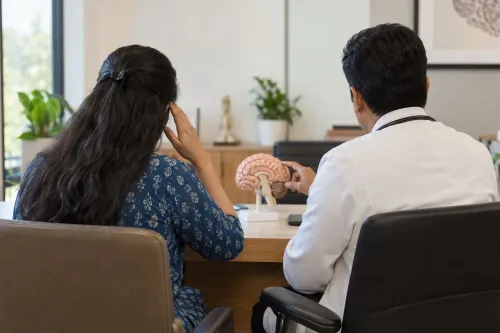
After registration, a nerve pain assessment in Mulund usually begins with your symptom history, followed by a focused neurological examination. The clinician will ask when the pain started, where it travels, whether it feels burning, electric, stabbing or numb, and how it affects sleep, walking, work and daily activities.
Bring or note:
- The start date, affected areas, pain severity and triggers such as walking, touch or posture.
- Tingling, numbness, weakness, balance changes, falls or difficulty using a hand or foot.
- Diabetes, alcohol use, recent infections, injuries, shingles, cancer treatment or other major illnesses.
- Every medicine and supplement, including dose, start date, benefit and side effects.
- Previous scans, blood-test results, prescriptions and treatments that failed or helped.
- Red flags to report immediately: new weakness, rapidly worsening walking, saddle-area numbness, or loss of bladder or bowel control.
During the first assessment, the neurologist compares both sides of your body and checks strength, reflexes, pinprick, temperature, vibration, joint-position sense, coordination and gait.
| Finding | What to describe | Why it matters |
|---|---|---|
| Burning or electric pain | Constant or touch-triggered | Supports neuropathic pain |
| Pain down an arm or leg | Relation to neck or back movement | Suggests nerve-root irritation |
| Small painful area | Exact size and skin sensitivity | Helps assess focal nerve injury |
| Pain with weakness or imbalance | When each began | Signals the need for closer neurological review |
How the examination identifies the source of nerve pain
The examination locates the problem by matching the pain’s distribution with changes in strength, reflexes, sensation, coordination and walking. Burning or electric pain alone does not identify the damaged structure.
| Source | Examination pattern | What it suggests |
|---|---|---|
| Peripheral neuropathy | Reduced pinprick, temperature, vibration or joint-position sense in both feet, absent ankle reflexes and a length-dependent pattern | A diffuse nerve disorder, often beginning in the toes and moving upward |
| Radiculopathy | Pain follows a nerve-root pattern from the spine into an arm or leg, with focal weakness, altered reflexes or sensory loss | Irritation or compression of a spinal nerve root |
| Focal nerve compression | Numbness, tingling and weakness stay within one named nerve’s territory, such as the thumb and first two fingers in carpal tunnel syndrome | Entrapment at the wrist, elbow, shoulder or another narrow passage |
| Non-neurological pain | Strength, reflexes and sensation remain intact, while movement, joint testing or muscle palpation reproduces the pain | A joint, tendon, muscle or referred spinal pain source rather than nerve damage |
A normal neurological examination does not make pain unreal; it redirects the search. Widespread tenderness with normal nerve findings can point toward fibromyalgia, while burning pain with a rash suggests shingles-related nerve pain.
MRI is directed at suspected root, spinal-cord, plexus or mass-related disease, not ordered automatically for typical length-dependent neuropathy. A nerve pain doctor in Mulund uses nerve-conduction studies or EMG when weakness, asymmetry, rapid progression or diagnostic uncertainty changes the decision.
Which tests you may need, and what each one can show
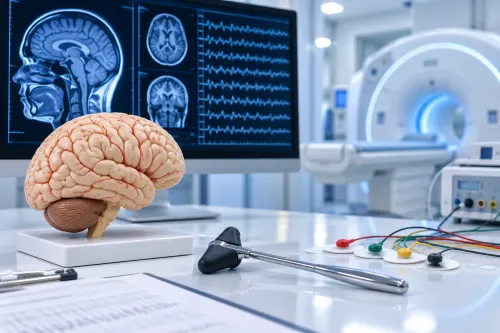
Tests are chosen to answer a specific question, not to confirm that every painful nerve is damaged. During a nerve pain assessment in Mulund, nerve-conduction studies and EMG are most useful when weakness, rapidly worsening symptoms, an uneven pattern, suspected radiculopathy or nerve compression makes the diagnosis uncertain.
| Test | What it can show | When it is useful |
|---|---|---|
| Nerve-conduction studies | How quickly and strongly large peripheral nerves carry electrical signals; patterns of axon loss or myelin damage | Suspected peripheral neuropathy, carpal tunnel syndrome, ulnar nerve compression or another focal nerve disorder |
| EMG | Electrical evidence of muscle denervation and reinnervation | Suspected nerve-root damage, muscle disease or weakness that needs localisation; it is often performed with nerve-conduction studies |
| Blood tests | Possible causes such as diabetes, vitamin B12 deficiency, thyroid disease, kidney disease, abnormal proteins or inflammation | Widespread, new or unexplained neuropathy; tests are selected from your history and examination |
| MRI or other imaging | Nerve-root, spinal-cord, disc, tumour, infection or joint-related structural problems | Back or neck pain with weakness, reflex changes, severe sensory loss, or suspected compression |
A normal routine nerve-conduction study does not rule out small-fibre neuropathy. Burning pain with normal results can require specialist assessment, quantitative sensory testing or a skin biopsy.
Imaging is not automatically needed for stable, typical diabetic neuropathy. Test results must fit the examination and symptoms; this prevents incidental MRI findings from directing neuropathic pain treatment Mulund in the wrong direction.
How treatment is chosen and reviewed after diagnosis
Once the diagnosis is established, treatment combines management of the cause with a measured trial of pain medicine. The choice depends on your symptoms, age, pregnancy potential, kidney function, falls risk, sleep, mood and other medicines—not on one universally strongest drug.
- Amitriptyline: useful when poor sleep accompanies pain, but sedation and anticholinergic effects matter, especially in older adults.
- Duloxetine: useful for some peripheral neuropathies and when mood symptoms coexist; check interactions and tolerability.
- Gabapentin: adjust the dose for reduced kidney function and watch for dizziness and sleepiness.
- Pregabalin: also requires kidney-based dosing and caution with driving, alcohol, opioids or other sedatives.
A prescription is increased gradually when needed. Titration is part of neuropathic pain treatment, not proof that the first dose failed. At review, the neurologist checks pain, sleep, walking, work, mood and side effects before increasing, switching or stopping the medicine.
For nerve pain treatment in mulund, the plan should also address the source: improving glucose control, correcting a deficiency, treating shingles-related pain or reviewing a medicine that damages nerves. Localised pain may call for a topical option rather than a tablet.
Tramadol is not a preferred long-term answer. It is reserved for acute rescue in selected cases because prolonged opioid exposure brings dependence, constipation, sedation and overdose risk without reliably restoring function.
When nerve pain needs urgent attention and specialist follow-up
Seek urgent assessment for new or worsening weakness, loss of bladder or bowel control, saddle-area numbness, rapidly progressing symptoms, severe deterioration in walking, or fever with spinal pain. Cancer, recent infection or immune suppression raises concern for spinal-cord or cauda-equina compression, not routine nerve pain.
- Go to emergency care for bladder or bowel changes, saddle numbness, or rapidly worsening weakness.
- Arrange prompt neurological review for new foot drop, repeated falls, marked balance loss, or weakness spreading over days.
- Do not drive after taking a sedating medicine, and avoid combining it with alcohol, opioids or other sedatives.
A nerve pain doctor Mulund patients can return to should link results with function: sleep, walking, work and daily activities, not the pain score alone. A normal routine nerve-conduction study does not exclude small-fibre neuropathy; burning pain with normal results may need specialist assessment, quantitative sensory testing or skin biopsy.
| Test result | Safe interpretation | Follow-up action |
|---|---|---|
| Abnormal nerve study | Supports large-fibre nerve damage or focal compression | Match the pattern with examination findings and investigate causes such as diabetes or medication toxicity |
| Normal nerve study with burning pain | Small-fibre neuropathy remains possible | Recheck the examination and consider specialist testing |
| Medicine not tolerated or ineffective | The first option has not solved the problem | Titrate safely, switch to another recommended option, and adjust gabapentin or pregabalin for reduced kidney function |
Dr. Sachin Adukia can use this clinical context to set review timing and treatment safeguards rather than treating a test report in isolation. Nerve pain treatment in Mulund is safer when each follow-up records both symptom change and restored function.
Related services
Nerve Pain (Neuropathic Pain) Treatment Nerve Pain (Neuropathic Pain) Treatment Dr. Sachin Adukia offers advanced and comprehensive nerve pain (neuropathic pain) treatment for patients suffering from chronic tingling, burning,... View service → |
Neuromuscular Disorder Testing Neuromuscular Disorder Testing under the guidance of Dr. Sachin Adukia is a comprehensive diagnostic service designed to accurately identify disorders affecting the nerves,... View service → |
Frequently asked questions
What happens during a nerve pain assessment in Mulund?
The visit usually includes registration, a detailed symptom history and a focused neurological examination covering strength, reflexes, sensation, balance and walking.
How does a neurological examination identify the source of nerve pain?
The clinician compares sensation, muscle strength, reflexes, coordination and gait to identify patterns pointing to nerve, spinal cord, brain or muscle involvement.
Which tests might be needed for nerve pain?
Depending on your examination, the clinician may recommend blood tests, nerve conduction studies, electromyography, MRI or other tests to investigate causes and affected areas.
How is nerve pain treatment chosen and reviewed?
Treatment depends on the suspected cause, examination and test results. Follow-up reviews pain relief, side effects, function and whether the diagnosis or plan needs adjustment.
When does nerve pain need urgent medical attention?
Seek urgent care for sudden weakness, facial drooping, speech difficulty, new loss of bladder or bowel control, severe back pain with leg weakness or rapidly worsening symptoms.
Related service
Neurology Diagnostic Services Dr. Sachin Adukia offers comprehensive and advanced Neurology Diagnostic Services focused on the accurate evaluation and early detection of disorders... View service → |
Keywords