Weakness, numbness, seizures, confusion and fluctuating vision can come from an immune disorder, but they can also result from stroke, infection, epilepsy, vitamin deficiency, medication toxicity or nerve compression. You will learn how clinicians separate these causes, when immune treatment is justified, what symptom-focused care can and cannot achieve, and which local service capabilities matter before you choose care.
Key takeaways
- Disease-modifying treatment targets immune injury; symptom control targets pain, weakness or seizures.
- Diagnosis combines examination, blood tests, scans, spinal-fluid analysis and sometimes antibody testing.
- The suspected autoimmune condition determines whether steroids, IVIG, plasma exchange or other treatment fits.
- Ask about treatment goals, monitoring, side effects, follow-up and total out-of-pocket costs.
Disease-modifying treatment and symptom control pursue different goals
The practical difference is the target: disease-modifying treatment acts on the immune process causing neurological injury, while symptom control improves what you feel or cannot do today. A person may need both.
| Approach | Main goal | What it can and cannot do |
|---|---|---|
| Disease-modifying treatment | Reduce immune attacks, inflammation, relapses or new damage | May reduce new multiple sclerosis relapses and MRI lesions, or limit ongoing autoimmune injury; it does not quickly remove established spasticity, pain or weakness |
| Symptom-focused care | Improve function, comfort and safety | Can treat neuropathic pain, stiffness, fatigue, bladder problems or fluctuating weakness; it does not stop the immune disease from causing further attacks |
For example, pyridostigmine can improve neuromuscular transmission in myasthenia gravis, but it does not by itself control the immune disorder. A patient may therefore need immunotherapy as well as medication, respiratory monitoring, swallowing support and rehabilitation. Trouble breathing or swallowing needs emergency assessment.
The correct plan depends on where the nervous system is affected and why. Steroids or other immunosuppressants can worsen an unrecognised infection, obscure a diagnosis or expose you to avoidable risks. Some autoimmune encephalitis and paraneoplastic syndromes also require finding and treating an underlying tumour.
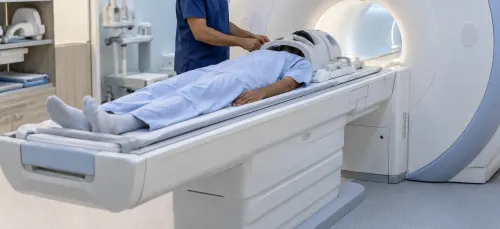
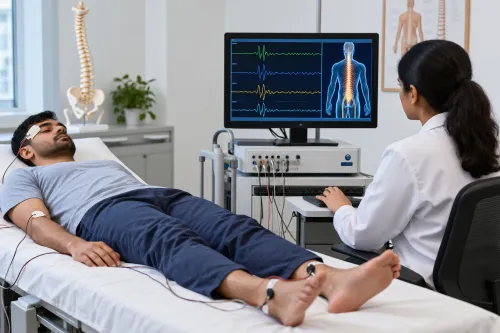
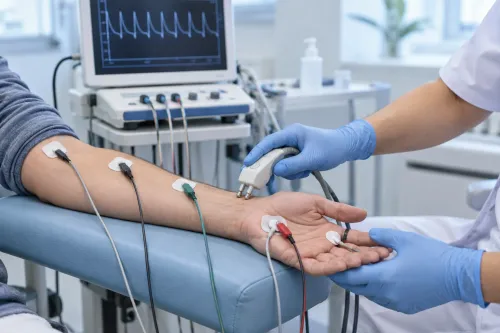
If you are comparing autoimmune neurological disease treatment for ghatkopar, ask whether the service can coordinate antibody testing, MRI, EEG, cerebrospinal-fluid analysis, nerve-conduction studies and escalation to infusion or hospital care.
How doctors test whether symptoms are autoimmune
A positive antibody result does not prove an autoimmune neurological disorder. Clinicians combine the neurological examination, symptom time course, MRI, EEG, cerebrospinal-fluid (CSF) findings, nerve-conduction studies and the antibody’s clinical specificity. Testing after immunotherapy can be falsely negative; low-specificity antibodies can be incidental.
| Cause | Findings that shift probability | Useful tests |
|---|---|---|
| Autoimmune disorder | Subacute progression, multiple affected regions, inflammation on MRI or CSF | Neuronal, glial or nerve antibodies; MRI; CSF analysis |
| Migraine or epilepsy | Recurrent stereotyped attacks with recovery between episodes | EEG, migraine assessment and brain imaging |
| Stroke | Sudden one-sided weakness, speech change or vision loss | Urgent CT or MRI with vascular imaging |
| Infection | Fever, meningism, delirium or rapid deterioration | Blood tests, CSF cell count, culture and infection PCR |
| Deficiency, medication toxicity or compression | Exposure history, nutritional risk or a nerve-root pattern | B12, glucose, medication review, MRI and nerve studies |
Autoimmune encephalitis may justify treatment on clinical grounds after serious infection has been reasonably addressed; waiting weeks for antibody results can allow neurological injury. Cancer screening matters when the pattern suggests a paraneoplastic syndrome. Searching for autoimmune neurology treatment ghatkopar should lead to this diagnostic process, not self-selection of steroids or immunosuppressants.
Seek emergency assessment for a first seizure, rapidly worsening weakness, trouble breathing or swallowing, new confusion, severe drowsiness, loss of vision or sudden one-sided weakness.
The suspected condition determines the treatment pathway
An immune attack on the brain, spinal cord, optic nerves, peripheral nerves or neuromuscular junction demands a different treatment plan because each site fails differently and responds to different therapies. “Weakness” or “numbness” is not a sufficient diagnosis for autoimmune nerve disorder treatment.
| Condition | What must be controlled | Why treatment differs |
|---|---|---|
| Multiple sclerosis | Relapses, new MRI lesions and disability accumulation | Disease-modifying therapy is selected by disease activity; spasticity, pain, fatigue and bladder symptoms need separate care. |
| Autoimmune encephalitis | Brain inflammation, seizures, confusion and behavioural change | Hospital monitoring and prompt immunotherapy may be needed while antibody and cerebrospinal-fluid results are pending. |
| Myasthenia gravis | Fluctuating neuromuscular weakness | Pyridostigmine improves transmission, while immunotherapy treats the immune disease; selected patients need thymectomy. |
| NMOSD | Attacks affecting the optic nerves and spinal cord | Relapse prevention is crucial because a single attack can cause major, lasting disability. |
| MOG-antibody disease | Inflammatory attacks involving the optic nerves, brain or spinal cord | Relapse pattern and antibody status influence whether ongoing prevention is needed. |
| Autoimmune neuropathy | Peripheral-nerve inflammation and conduction failure | Nerve-conduction studies help separate CIDP from inherited, toxic, metabolic or compressive neuropathies; IV immunoglobulin, corticosteroids or plasma exchange may apply. |
Check these before accepting a symptom-only plan:
- Confirm that the clinician can localise the affected nervous-system region.
- Ask whether MRI, antibody testing, cerebrospinal-fluid analysis and nerve-conduction studies fit the suspected condition.
- Seek emergency care for rapidly worsening weakness, breathlessness, inability to swallow, new seizures or severe confusion.
When immune treatment is justified, and what it costs
Doctors favour immunotherapy when untreated inflammation threatens function, causes repeated attacks, or objective findings show an active immune process. Rapidly worsening weakness, new vision loss, encephalitis, myelitis, or generalised myasthenia gravis warrants prompt specialist assessment rather than symptom control alone.
| Option | What it aims to do | When it applies |
|---|---|---|
| Immune treatment | Suppress inflammation and prevent further injury or relapse | Active disease with supportive examination, MRI, antibody, cerebrospinal-fluid, or nerve-test findings |
| Observation | Track symptoms and repeat targeted testing | Mild, stable symptoms or an uncertain diagnosis without evidence of active inflammation |
| Symptom control and rehabilitation | Improve function without treating the immune cause | No active inflammation, or alongside immunotherapy for weakness, fatigue, pain, speech, swallowing, cognition, or mobility problems |
Rehabilitation is not proof that symptoms are non-immune. Physiotherapy, occupational therapy, swallowing therapy, cognitive rehabilitation, and fall prevention can protect function while treatment addresses inflammation.
The cost of immunotherapy includes monitoring and risks:
- Steroids can cause infection, high blood sugar, blood-pressure changes, mood disturbance, weight gain, and bone loss.
- Other immunosuppressants require blood tests and can increase infection risk or affect the liver, kidneys, or blood counts.
- Intravenous immunoglobulin can cause headache, clotting, kidney complications, or infusion reactions; plasma exchange requires hospital-based vascular access and monitoring.
- Treating without excluding infection, diabetes, deficiency, medication toxicity, tumour, or stroke can worsen the real illness and delay diagnosis.
A search for neurology treatment options ghatkopar should lead to specialist evaluation, not self-selected steroids.
What to check when choosing autoimmune neurological care in Ghatkopar
Confirm the service can investigate the whole nervous system, not just prescribe for weakness, pain or seizures. Before booking a neurologist for autoimmune disease Ghatkopar, ask who reviews MRI, EEG, cerebrospinal-fluid and antibody results together, and where urgent admission is arranged.
Search results for autoimmune neurology treatment Ghatkopar are not proof that a clinic provides these linked services.
Ask whether the team can:
- Order disease-appropriate antibody panels and explain why a result fits the examination, scan, time course and CSF findings; a positive antibody alone is not a diagnosis.
- Coordinate MRI brain or spinal cord, EEG, lumbar puncture, nerve-conduction studies and electromyography when the suspected condition requires them.
- Monitor intravenous steroids, immunoglobulin or other infusions, including blood tests and infection screening before treatment.
- Arrange plasma exchange, inpatient observation and respiratory monitoring if weakness, swallowing or autonomic function deteriorates.
- Include rehabilitation, speech and swallowing assessment, and cancer screening when a paraneoplastic syndrome is possible.
| Service | What to confirm | Why it matters |
|---|---|---|
| Outpatient neurologist | Linked testing and specialist interpretation | Prevents treating an incidental antibody or symptom label |
| Coordinated hospital service | Infusions, plasma exchange, admission and monitoring | Speeds care when the condition worsens |
| Emergency pathway | Immediate assessment for confusion, seizures, breathlessness or rapid weakness | These symptoms cannot wait for a routine appointment |
Dr. Sachin Adukia is one option to assess whether local outpatient care is sufficient or hospital-based coordination is needed. Ask for the escalation plan before treatment begins.
Related services
Autoimmune Neurological Disease Treatment Autoimmune Neurological Disease Treatment Dr. Sachin Adukia is a trusted and experienced Neurologist providing comprehensive diagnosis and advanced treatment for autoimmune neurological... View service → |
Neurology Infusion Therapy Neurology Infusion Therapy is an advanced treatment approach used to manage various neurological disorders through the controlled administration of... View service → |
Frequently asked questions
What is the difference between disease-modifying treatment and symptom control?
Disease-modifying treatment targets the immune process causing neurological injury. Symptom control addresses problems such as pain, weakness, seizures, stiffness or sleep difficulty. Many patients need both.
How do doctors test whether neurological symptoms are autoimmune?
Assessment can include a neurological examination, blood tests, MRI or other scans, spinal-fluid analysis and condition-specific antibody testing. The doctor interprets results alongside the symptom pattern and its progression.
Which treatments are used for autoimmune neurological disease?
The suspected condition determines the pathway. Options can include corticosteroids, intravenous immunoglobulin, plasma exchange and longer-term immune therapies, alongside rehabilitation or medicines for specific symptoms.
When is immune treatment justified, and what costs should you check?
Immune treatment is considered when the clinical findings and test results support an active immune process, and its expected benefit outweighs risks. Ask about medicine, infusion, testing, monitoring, travel and follow-up costs.
Keywords