A new neurological symptom can range from a time-critical stroke warning to a problem suited to a planned outpatient assessment. You will learn when to seek emergency care, how to prepare for a first neurological evaluation, which tests may be considered, and how to compare diagnostic services near Kurla.
Key takeaways
- Treat sudden weakness, speech trouble, vision loss, or severe headache as an emergency.
- Match the assessment to symptoms such as seizures, numbness, tremor, or memory changes.
- Expect questions, a neurological examination, and a review of medicines and medical history.
- Compare test access, specialist follow-up, emergency guidance, and clear reporting before choosing a clinic.
Which new neurological symptoms need emergency care?
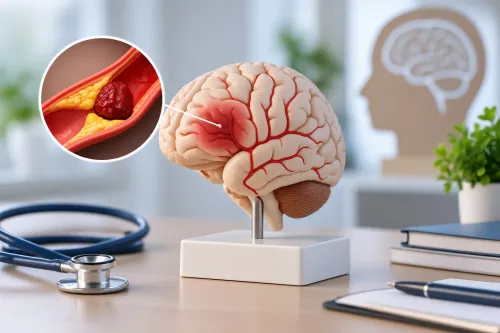
Call emergency services immediately for a sudden facial droop, weakness or numbness on one side, trouble speaking or understanding, new loss of vision, severe imbalance, or an unusually severe headache. These can signal a stroke or brain haemorrhage; treatment is time-dependent, even if the symptoms disappear.
| Symptom pattern | What to do | Why it matters |
|---|---|---|
| Sudden weakness, facial droop, speech or vision change | Go to emergency care now | Possible stroke requires rapid assessment |
| Sudden severe headache, collapse, seizure, or inability to walk | Go to emergency care now | Could indicate bleeding, seizure, or acute brain disorder |
| Progressive weakness, repeated falls, new double vision, or leg weakness with bladder or bowel loss | Seek same-day urgent assessment | Nerve or spinal-cord compression can worsen |
| Stable tremor, recurring dizziness, memory change, or persistent nerve pain | Book an outpatient neurology appointment | These need examination but lack an immediate emergency pattern |
Do not drive yourself after a possible stroke or seizure. Note the exact time the symptom began, or the last time you were definitely well, and take your medication list and previous reports. A scan or EEG report alone is not a diagnosis; a neurologist must relate it to your symptoms and examination.
If you are searching for neurology diagnosis near kurla, check whether the booking includes a neurologist assessment or only access to a test centre. Choose emergency care first whenever a sudden warning sign is present.
Which specialist assessment fits your symptom pattern?
New or worsening weakness, numbness, tremor, dizziness, imbalance, double vision, memory change, persistent nerve pain, or seizure-like episodes deserves a neurological evaluation. Kurla patients should seek emergency care for sudden facial drooping, arm weakness, speech difficulty, vision loss, severe imbalance, or an unusually severe headache; do not wait for an outpatient appointment.
| Symptom pattern | Assessment focus | What to record |
|---|---|---|
| Persistent weakness, sensory loss, walking difficulty, falls, or double vision | Strength, reflexes, sensation, eye movements, coordination, and gait | Which body parts are affected, progression, falls, and bladder or bowel changes |
| Tremor, dizziness, abnormal movements, or episodic confusion | Movement pattern, balance, mental status, medication effects, and possible seizure or fainting | Triggers, duration, awareness, recovery, pulse if available, and an eyewitness video when safe and consented |
| Headache, memory change, or persistent nerve pain | Speech, cognition, sensation, pain distribution, and signs pointing to migraine, nerve disease, or another cause | Onset, frequency, severity, associated nausea or light sensitivity, and changes in memory or function |
Bring a symptom timeline, medication and supplement list, previous reports, imaging discs, and relevant medical history. Include recent dose changes: medicines can cause dizziness, tremor, drowsiness, confusion, neuropathy-like symptoms, or abnormal movements, while abrupt withdrawal can trigger neurological problems. Never stop a prescribed medicine without clinical advice.
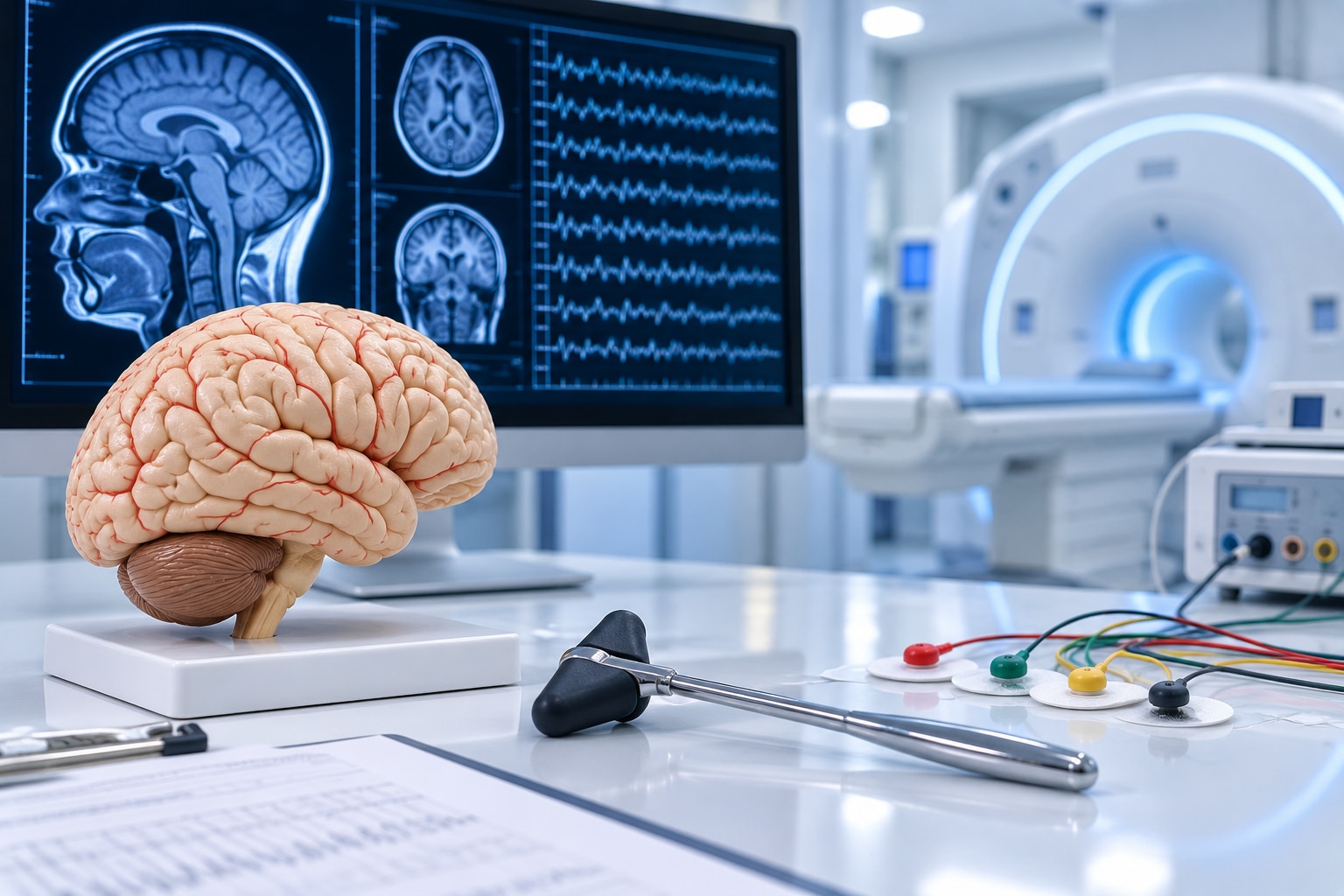
A clinician usually starts with history and examination, then decides whether MRI, CT, EEG, nerve studies, blood tests, or another investigation is justified. A scan or EEG report alone is not a diagnosis; interpretation must match your symptoms and examination.
What happens at a first neurology diagnostic appointment?
A first appointment turns a symptom into a clinical pattern. The neurologist asks when it began, whether it was sudden or gradual, how it has changed, what triggers or relieves it, and whether weakness, numbness, pain, vision change, speech difficulty, confusion or loss of awareness occurred with it.
Bring these details to a neurologist diagnostic service kurla appointment:
- A timeline showing the date, duration, frequency and progression of each episode
- Every prescription, over-the-counter medicine, vitamin and supplement, including doses
- Previous diagnoses, operations, injuries and relevant family medical history
- Earlier blood-test reports, scan reports and imaging discs
- A witness account or phone video of an episode, only when recording was safe and consented to
The examination checks mental status, speech, eye movements, facial movement, strength, muscle tone, sensation, reflexes, coordination and walking. The neurologist may compare both sides of your body and watch how you stand, turn and perform simple movements.
The findings determine what happens next. You may need observation and follow-up, blood tests, MRI or CT, EEG, EMG or nerve-conduction studies. A scan report alone is not a diagnosis; the clinician must match it to your symptoms and examination.
A lumbar puncture is reserved for questions such as infection, inflammation or bleeding affecting the central nervous system, not used routinely. Progressive weakness, repeated falls or new bladder or bowel problems can require prompt assessment rather than a delayed review.
Which brain and nerve tests might be recommended?
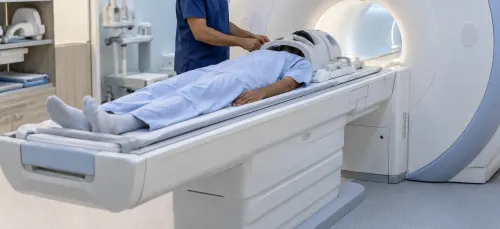
The choice depends on the suspected location and urgency, not on a standard test package. MRI gives detailed views of the brain, spinal cord and soft tissues without ionising radiation; CT is faster and useful when bleeding, trauma or acute stroke must be assessed.
| Test | What it examines | When it might be considered |
|---|---|---|
| MRI | Brain, spinal cord, nerves and other soft tissues | Persistent weakness, numbness, vision changes, unusual headache, suspected tumour, inflammation or spinal compression |
| CT | Rapid cross-sectional images, including bleeding and bone injury | Sudden severe symptoms, head trauma or suspected acute stroke |
| EEG | Electrical activity in the brain | Seizure-like episodes or suspected epilepsy |
| EMG | Electrical activity in muscles and the nerve-to-muscle connection | Suspected muscle disease, nerve-root problems or neuromuscular disorders |
| Nerve-conduction study | Speed and strength of signals through peripheral nerves | Tingling, weakness, nerve compression or peripheral neuropathy |
| Blood tests | Systemic contributors such as glucose, thyroid, vitamin B12, infection or inflammation | Symptoms that could arise from a metabolic, nutritional or inflammatory problem |
| Lumbar puncture | Cerebrospinal fluid around the brain and spinal cord | Suspected central-nervous-system infection, inflammation or bleeding |
EMG and nerve-conduction studies assess peripheral nerves and muscles, not the brain itself. They are often performed together, but they answer different questions.
A normal routine EEG does not rule out epilepsy; the neurologist compares it with the episode history and examination. Lumbar puncture is targeted rather than routine, and headache, back discomfort or temporary numbness can follow it.
When comparing brain and nerve tests in Kurla, ask whether a neurologist will interpret the result alongside your symptoms. A test-centre report alone is not a diagnosis.
How should you compare neurology diagnostic services near Kurla?
Compare what you receive, not just how close the facility is. When comparing locations for Kurla neurology diagnostic services, confirm whether you are booking a test, a consultation, or an end-to-end clinical assessment.
| Option | What it means | Check before booking |
|---|---|---|
| Test centre | Performs MRI, CT, EEG, EMG, nerve-conduction studies, or blood tests and issues a report | Ask who performs the test, who interprets it, how quickly the report is released, and whether images or recordings are provided |
| Diagnostic consultation | A clinician reviews your symptoms and examines you before recommending tests | Confirm that the appointment includes strength, sensation, reflex, coordination, eye-movement, speech, gait, and mental-status assessment |
| Neurologist-led service | A neurologist assesses you, selects tests, explains results alongside your symptoms, and plans follow-up | Ask whether the same clinician reviews reports, changes the working diagnosis, and coordinates repeat testing or referral |
A scan or EEG report is evidence, not a diagnosis. A normal routine EEG does not exclude epilepsy, and an abnormal finding needs correlation with the event history and examination.
Check practical details too: appointment availability, emergency access, report turnaround, imaging-disc compatibility, total fees, and who answers questions after testing. Dr. Sachin Adukia can be relevant when you need interpretation and follow-up rather than a report alone.
Do not book routine testing for sudden facial drooping, arm weakness, speech difficulty, vision loss, severe imbalance, or an unusually severe headache; use emergency services immediately, even if the symptoms improve.
Frequently asked questions
Which new neurological symptoms need emergency care?
Call emergency services immediately for sudden facial droop, one-sided weakness or numbness, trouble speaking or understanding, new vision loss, severe imbalance, or an unusually severe headache. These symptoms can indicate stroke or brain haemorrhage, even if they disappear.
What happens at a first neurology diagnostic appointment?
The neurologist reviews your symptom timing, progression, medical history, medicines, and family history, then examines strength, sensation, reflexes, coordination, balance, speech, eye movements, and gait.
Which brain and nerve tests might be recommended?
Depending on your symptoms and examination, the neurologist may recommend blood tests, MRI or CT imaging, EEG, nerve conduction studies, electromyography, or other targeted investigations.
How should you compare neurology diagnostic services near Kurla?
Compare specialist expertise for your symptom pattern, appointment access, availability of recommended tests, report turnaround, explanation of findings, follow-up arrangements, and clear emergency instructions.
Keywords