Sudden facial drooping, one-sided weakness, speech trouble, vision loss, imbalance or a severe unexplained headache needs emergency action, not a routine appointment. You will learn what to do before hospital arrival, how doctors choose acute treatment, and what stroke recovery management Chandivali involves after discharge.
Key takeaways
- Call emergency services for sudden weakness, speech trouble, vision loss or severe headache.
- Do not give food, drink or aspirin until doctors identify the stroke type.
- Ask about blood pressure, diabetes, cholesterol and atrial fibrillation after discharge.
- Keep rehabilitation, medication and neurology follow-up appointments during recovery.
What should you do when a stroke is suspected?
Stroke management in Chandivali starts with emergency action, not a routine appointment with a stroke doctor Chandivali. Sudden facial drooping, arm or leg weakness, speech difficulty, vision loss, imbalance or a severe unexplained headache requires emergency transport.
1. Call emergency services and request an ambulance. Record the exact time symptoms began. If symptoms were discovered after sleep, record the last time the person was known to be well.
2. Note every symptom, including which side is weak, whether speech is unclear, and whether vision or balance changed. Give these details to the emergency team.
3. Do not give food, drink, aspirin or any other medicine by mouth. Swallowing may be unsafe, and brain bleeding has not been excluded.
4. Keep the person supervised. Take their medication list, medical history and identification to hospital.
Improvement does not make the event safe. A transient ischaemic attack can resolve before examination, while an established stroke can fluctuate. Doctors distinguish stroke from seizure, migraine aura, low blood sugar, fainting and facial palsy through the symptom pattern, examination, glucose testing and brain imaging.
New or recurrent symptoms still require emergency assessment, even if they disappear before arrival.
How do doctors identify the stroke type and choose emergency treatment?
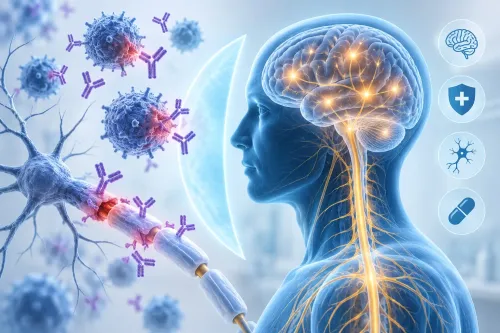
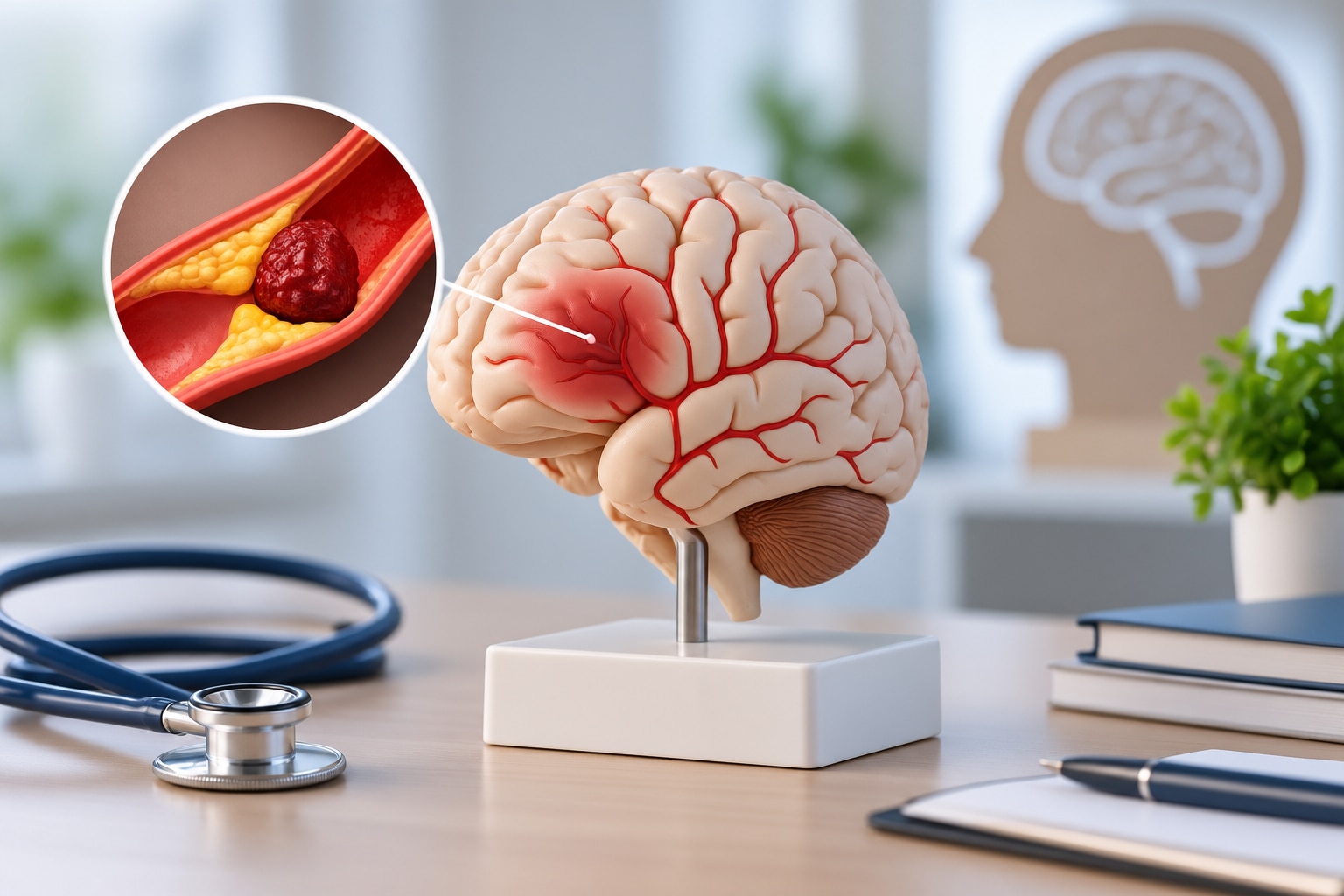
Doctors first determine whether the event is an ischaemic stroke, caused by a blocked artery, or a haemorrhagic stroke, caused by bleeding into or around the brain. The distinction is urgent because clot-dissolving drugs and clot-removal procedures can worsen bleeding.
| Type | What is happening | Emergency treatment direction |
|---|---|---|
| Ischaemic stroke | An artery is blocked by a clot | Consider thrombolysis or thrombectomy after eligibility checks |
| Haemorrhagic stroke | A vessel has ruptured and blood is collecting in or around the brain | Avoid clot-directed treatment and control bleeding-related risks |
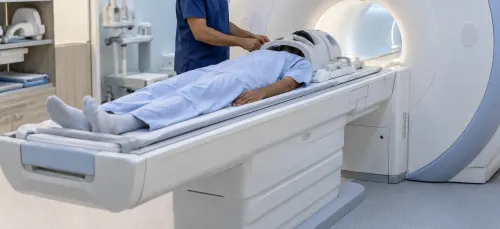
Hospital assessment includes a bedside blood-glucose test, neurological examination and urgent non-contrast CT brain. A normal early CT does not exclude ischaemic stroke. CT angiography is added to find a proximal large-vessel blockage and assess mechanical thrombectomy; MRI adds information when diagnosis, timing or a small-area injury remains uncertain.
For stroke management in Chandivali, treatment decisions depend on specific findings:
- Eligible patients with disabling ischaemic stroke may receive intravenous thrombolysis, such as alteplase, within 4.5 hours of symptom onset. Selected wake-up or unknown-onset strokes can qualify through advanced imaging.
- Mechanical thrombectomy treats selected proximal large-vessel occlusions, usually within 6 hours and, under clinical and imaging criteria, up to 24 hours.
- Doctors assess haemorrhage, imaging, onset time, disability, medicines and contraindications before either treatment. This is why stroke care Chandivali may require rapid transfer to a hospital with neuroimaging and endovascular treatment.
Before thrombolysis, blood pressure generally must be below 185/110 mmHg; afterwards it stays below 180/105 mmHg for at least 24 hours. Without reperfusion therapy, doctors avoid aggressive reduction unless another emergency requires it.
What happens in hospital after emergency stabilisation?
A dedicated stroke unit is central to stroke care Chandivali patients need after emergency treatment. Staff repeat neurological observations, monitor heart rhythm and blood pressure, and watch for brain swelling, recurrent stroke, seizures, aspiration pneumonia and other complications.
1. Before food, drink or oral medicine, staff perform a swallow screen. Dysphagia can be silent; a failed screen requires formal swallowing assessment and a safe plan for nutrition, hydration and medicines.
2. Clinicians confirm that the stroke is ischaemic and exclude bleeding before starting antiplatelet treatment. Aspirin is commonly given within 24 to 48 hours after ischaemic stroke, but after intravenous thrombolysis it is generally delayed for 24 hours until repeat imaging shows no bleeding. Aspirin does not replace thrombolysis or thrombectomy.
3. Blood-pressure treatment depends on the emergency therapy used. Before thrombolysis, pressure generally must be below 185/110 mmHg; afterwards, it is kept below 180/105 mmHg for at least 24 hours. Without reperfusion treatment, aggressive reduction is usually avoided unless pressure is extremely high or another emergency demands it.
4. Once medically stable, the patient begins supervised rehabilitation. Physiotherapy, occupational therapy and speech-language therapy assess walking, arm and hand use, speech, swallowing, vision, cognition, mood, fatigue, continence and daily activities. Stroke recovery management Chandivali patients need should match severity: frequent, high-dose mobilisation during the first 24 hours can harm people who require walking assistance.
How is another stroke prevented after discharge?
A second-stroke plan starts with the cause, not with a leftover tablet. If you are arranging stroke management in Chandivali, ask the treating clinician to document the mechanism and the checks needed to confirm it.
1. Review brain imaging and blood-vessel imaging, usually CT or MRI plus CT angiography when indicated. Ask for heart assessment and atrial-fibrillation evaluation; longer rhythm monitoring is useful when intermittent atrial fibrillation remains possible.
2. Match the medicine to the cause. A non-cardioembolic ischaemic stroke is usually treated with an antiplatelet such as aspirin or clopidogrel. Atrial fibrillation generally leads to a clinician-selected oral anticoagulant. These medicines are not interchangeable, and starting time depends on infarct size, bleeding risk and follow-up brain imaging.
3. Do not start aspirin yourself while the stroke type is unknown. Aspirin does not replace anticoagulation when atrial fibrillation is the cause.
4. Control the risks that drive recurrence. The plan may include a statin, regular blood-pressure treatment, diabetes management, smoking cessation, healthier food choices, physical activity and sleep-apnoea assessment. A long-term blood-pressure goal below 130/80 mmHg suits many patients, but frailty, kidney disease and other conditions require an individual target.
5. Before discharge, reconcile every medicine, record warning signs, arrange rehabilitation and name who will review blood pressure, glucose, cholesterol and heart rhythm. Clear instructions make stroke care Chandivali safer after the hospital stay.
What does stroke recovery follow-up involve in Chandivali?
Stroke recovery management in Chandivali must measure independence and safety, not just muscle strength. Follow-up should show whether you can move through your home, communicate, swallow safely and manage everyday decisions.
1. Reassess walking, falls, arm and hand function, speech and language, swallowing, vision, memory, attention, mood, fatigue and continence. Include work or driving goals, medicine management and daily tasks such as bathing, dressing and cooking.
2. Set one observable rehabilitation target at a time: walking to the bathroom safely, communicating a basic need or preparing a meal. Revise the target when your function, fatigue or therapy needs change.
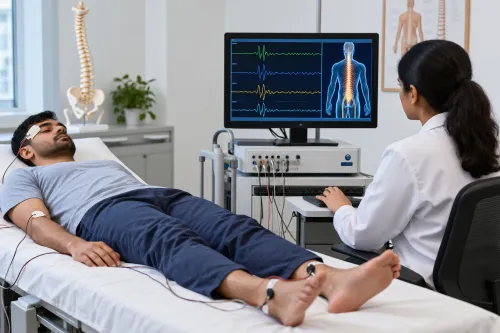
3. Review medicine adherence, missed doses and side effects alongside the suspected stroke mechanism. Bring home blood-pressure readings and check diabetes results, lipid results, smoking status and atrial-fibrillation investigations.
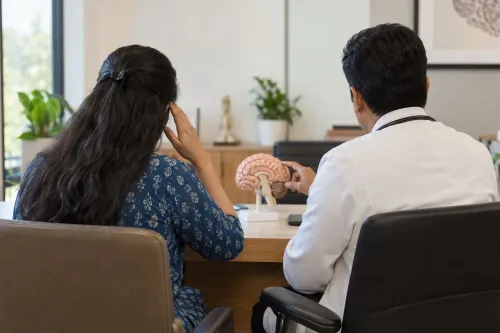
4. Arrange neurological review when recovery stalls, symptoms change or the cause remains uncertain. A stroke doctor in Chandivali, including Dr. Sachin Adukia, can interpret new symptoms and decide whether you need repeat imaging, rhythm monitoring or additional physiotherapy, occupational therapy or speech-language therapy.
The follow-up date should reflect stroke severity, cause, disability and access to rehabilitation. Your discharge plan should name the next clinician, appointment date and warning signs, not simply say “review later.” Seek emergency help for new facial droop, weakness, speech difficulty, vision loss or imbalance, even if the symptom disappears before assessment.
Related service
Stroke Management Dr. Sachin Adukia offers comprehensive and advanced Stroke Management services with a strong focus on timely diagnosis, emergency care, and long-term... View service → |
Frequently asked questions
What should you do when a stroke is suspected?
Call emergency services immediately, note when symptoms began or when the person was last well, and avoid giving food, drink or aspirin. Rapid transport allows doctors to assess treatment eligibility.
How do doctors identify the stroke type and choose emergency treatment?
Doctors assess symptoms, timing, blood pressure and neurological function, then use brain imaging such as a CT scan or MRI to distinguish a blocked artery from bleeding. The result guides emergency treatment.
What happens in hospital after emergency stabilisation?
The team monitors breathing, blood pressure, swallowing and neurological changes, treats the underlying stroke, and checks for complications. Rehabilitation assessments can cover movement, speech, swallowing and daily activities.
How is another stroke prevented after discharge?
Prevention focuses on the cause of the stroke, prescribed medicines, blood pressure and diabetes control, cholesterol management, smoking cessation, physical activity and follow-up testing when needed.
What does stroke recovery follow-up involve in Chandivali?
Follow-up with a stroke doctor Chandivali can involve reviewing symptoms and medicines, checking risk factors, tracking rehabilitation progress, and coordinating physiotherapy, occupational therapy or speech therapy.
Keywords