Numbness, altered sensation, or difficulty walking can have many causes. Sometimes the clinical examination and MRI provide enough information to identify the problem. In selected situations, however, a neurologist may need additional information about how sensory signals are travelling through the nervous system.
An SSEP test, or somatosensory evoked potential test, is one investigation that can provide this information.
For patients in Marol and the wider Mumbai region, it is useful to understand that SSEP is a supplementary neurological test. It is not a routine test for every person with numbness or walking difficulty.
What Does an SSEP Test Measure?
Sensory information from the arms and legs travels through peripheral nerves, enters the spinal cord, and then continues towards the brain.
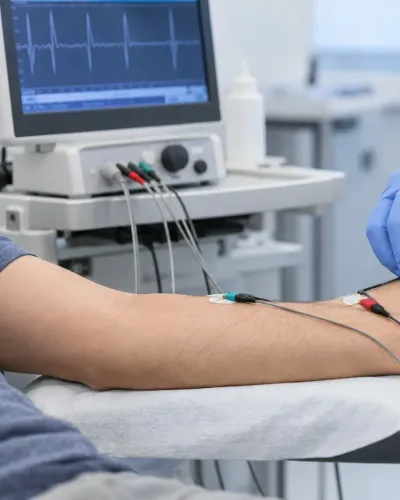
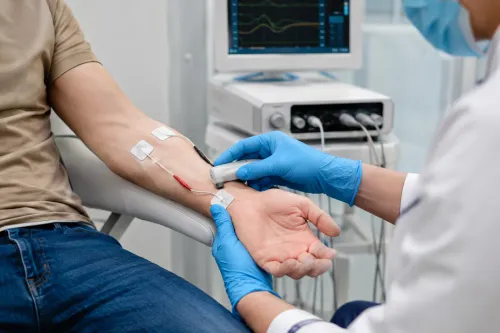
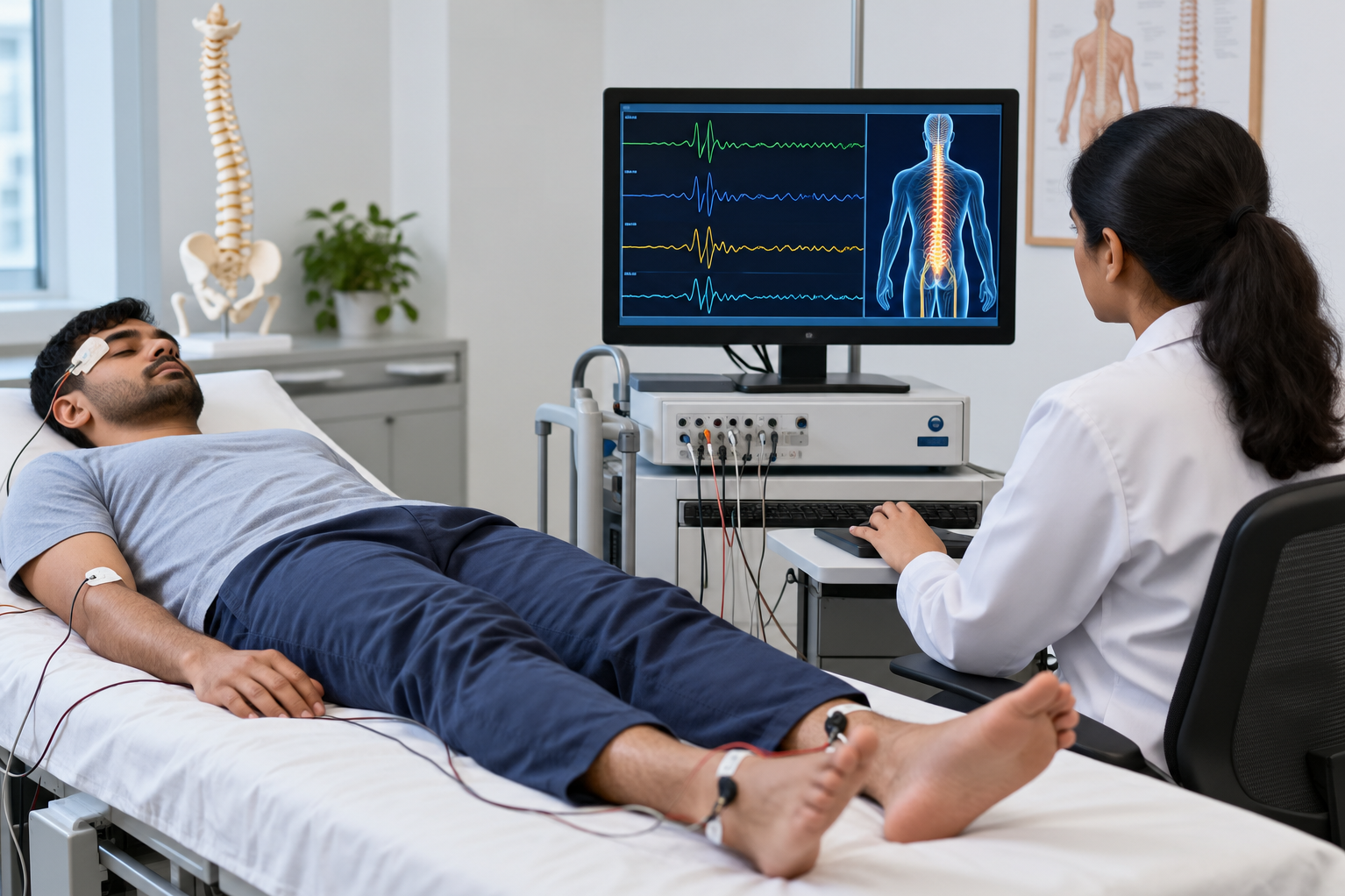
During an SSEP test, a peripheral nerve is stimulated with small electrical pulses. Recording electrodes placed at different points, including over the scalp, detect the electrical responses produced as the signal travels through the sensory pathway.
The test therefore provides information about how a selected sensory signal is travelling through the nervous system.
It does not directly measure how much numbness a person feels.
When Might an SSEP Be Recommended?
An SSEP may be considered when a neurologist has a specific question about the function of a sensory pathway.
Depending on the clinical situation, it can provide additional information in selected patients with:
Suspected spinal cord dysfunction
Certain demyelinating neurological disorders
Unexplained abnormalities involving sensory pathways
Selected spinal cord or neurological injuries
Clinical situations where the examination and imaging do not completely answer the neurological question
SSEP is not automatically required whenever a person has numbness, tingling, or difficulty walking. The decision depends on the neurological examination and the suspected location of the problem.
How Is SSEP Different From an NCS?
An NCS and an SSEP are related but answer different questions.
A nerve conduction study mainly examines how electrical signals travel through peripheral nerves.
An SSEP follows a sensory response further along the nervous system, including responses generated at central sites such as the spinal cord and brain.
This distinction can be useful when the neurologist is trying to determine whether a problem may involve a peripheral nerve or a more central sensory pathway.
What Happens During an SSEP Test?
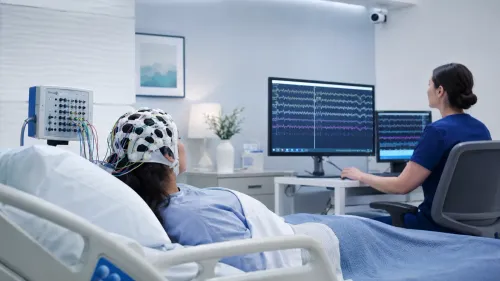
Small recording electrodes are placed on the skin and scalp.
A peripheral nerve, usually in an arm or leg, is stimulated repeatedly with small electrical pulses. The resulting electrical responses are recorded.
Because these responses are very small, the computer averages multiple recordings to separate the signal from the normal electrical activity of the body and brain.
The test may therefore take some time, particularly when several sensory pathways need to be examined.
The patient generally needs to remain relaxed and reasonably still during the recording.
Can SSEP Replace an MRI?
No.
MRI and SSEP provide different types of information.
MRI shows the structure of the brain and spinal cord. It can identify problems such as spinal cord compression, inflammation, tumours, and other structural abnormalities.
SSEP provides physiological information about how a particular sensory signal is travelling through the nervous system.
In selected cases, the two tests can provide complementary information. In many other situations, SSEP may not be necessary.
What Does an Abnormal SSEP Mean?
An abnormal SSEP may suggest that conduction along the tested sensory pathway is not normal.
However, an abnormal result does not by itself identify the exact cause of the problem. It also cannot always determine how severe a neurological disorder is or predict how a particular patient will recover.
The result therefore needs to be interpreted together with the neurological examination, symptoms, MRI findings, and other investigations when appropriate.
When Should Sensory Symptoms Be Assessed Urgently?
Sudden numbness accompanied by weakness, new bladder or bowel problems, rapidly worsening difficulty walking, numbness around the saddle region, or rapidly progressive neurological symptoms require prompt medical assessment.
Patients in Marol can consult Dr. Sachin Adukia when persistent sensory symptoms or examination findings raise a question about the spinal cord or another part of the nervous system.
An SSEP test is most useful when there is a specific neurological question that cannot be fully answered by the history, examination, and other investigations. It should therefore be viewed as an additional tool in neurological assessment rather than as a routine test for numbness or walking difficulty.