Memory changes do not automatically mean dementia, but waiting without a safety plan can delay treatment for delirium, medication effects, vitamin B12 deficiency or other reversible problems. By the end, you will know which symptoms need emergency care, when home monitoring is reasonable, what a proper evaluation involves and how to choose follow-up that fits your family’s travel, supervision and cost constraints.
Key takeaways
- Treat sudden confusion as an emergency, not routine dementia watchful waiting.
- Request medication review, cognitive testing, blood tests and brain imaging when indicated.
- Use a written home-monitoring plan with safety checks, dates and escalation triggers.
- Choose follow-up based on symptoms, travel time, caregiver support and specialist access.
First decide: emergency care, outpatient evaluation or home monitoring?
Sudden confusion or delirium is an emergency, not a reason to book a dementia appointment. Take the person to a hospital emergency department if the change is abrupt or any serious safety symptom appears.
| Option | What it means | When it applies |
|---|---|---|
| Emergency department | Immediate assessment for a dangerous medical or neurological cause | Sudden confusion, collapse or other red flags |
| Outpatient evaluation | Planned history, examination, cognitive and functional assessment | Gradual, persistent change or loss of daily skills |
| Home monitoring | Structured observation with supervision and a booked review | Stable symptoms, preserved function and urgent causes considered |
Go to hospital urgently for rapid decline, a new seizure, loss of consciousness, repeated falls, one-sided weakness, facial drooping, speech difficulty, severe headache or new visual hallucinations. Seek emergency help if the person cannot take medicines or eat safely, wanders, or changes after a new medicine or dose adjustment.
For gradual change, note repeated questions, missed medicines, driving incidents, financial mistakes, difficulty cooking, getting lost on familiar routes or trouble using a phone. These functional examples matter more than a single reassuring memory score.
Home monitoring is reasonable only when daily function remains safe, symptoms are stable, a reliable supervisor is available, urgent and reversible causes have been considered, and a review date is booked.
Persistent symptoms or difficulty with money, medicines, cooking, travel or phone use make dementia evaluation in mumbai the usual next step, even after a normal brief screen.
What happens during a proper dementia evaluation?
A proper dementia evaluation is a process, not a single memory test or scan. A dementia doctor in Mumbai combines the person’s account with a caregiver history, a timeline of change and its effect on daily function.
1. Bring medicine strips or a complete list, previous reports, imaging discs, dates of noticeable changes and a caregiver who has observed cooking, finances, medicines, travel, work and personal care.
2. The clinician reviews prescribed and over-the-counter drugs, including sedating antihistamines and sleep aids. Anticholinergic medicines can worsen thinking, while alcohol use, dehydration, pain, constipation, poor hearing or vision, infection, sleep apnoea and depression can mimic or worsen cognitive symptoms.
3. Cognitive screening is interpreted alongside language, education, fatigue, hearing and vision. A normal score does not exclude early disease, and a low score does not establish a dementia subtype.
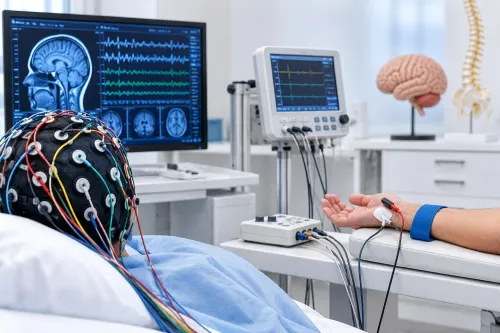
4. Physical and neurological examination, followed by targeted blood tests and brain imaging, helps assess thyroid disease, vitamin B12 deficiency, structural problems and other causes. A normal CT or MRI does not rule out early Alzheimer disease.
5. The evaluation distinguishes normal ageing, mild cognitive impairment, depression, delirium, sleep disorders and dementia. More than one condition can coexist, so finding a reversible contributor does not automatically exclude dementia.
6. Alzheimer disease is one possibility among vascular cognitive impairment, dementia with Lewy bodies, frontotemporal dementia, Parkinson’s disease dementia, normal-pressure hydrocephalus, autoimmune disease and other conditions. A dementia evaluation in Mumbai should end with the working diagnosis, uncertainties, safety advice and a follow-up plan.
When is watchful waiting safe, and how should you run it?
Watchful waiting is safe only after clinical assessment has considered urgent and reversible causes, such as delirium, medication effects, dehydration or infection. It is a written plan—not doing nothing—with a named supervisor, specific observations, a reassessment date and clear instructions for earlier review.
| Option | What it means | When it applies |
|---|---|---|
| Dementia care | Ongoing assessment, safety changes, treatment and caregiver support | Function or safety is declining, or dementia is established |
| Watchful waiting | Structured observation with booked follow-up and escalation rules | Mild cognitive impairment or an uncertain, stable picture after assessment |
Record the decision, the person’s preferences, who supervises, available support, transport costs, appointment delays, caregiver attendance, hospital backup and access to urgent review. Mumbai traffic and travel distance can turn a missed appointment into a prolonged delay, so book the next review before leaving.
- Missed medicines, falls, sleep, hallucinations, mood, wandering and driving
- Cooking and gas use, money handling, work or travel problems
- Changes in bathing, dressing or eating
Monitoring can avoid unnecessary treatment and allow an uncertain or mild cognitive impairment picture to clarify. Indefinite delay can miss reversible illness, cause preventable accidents, exhaust caregivers and leave less time for financial, driving, legal and future-care planning.
Escalate promptly for rapid decline, acute confusion, new weakness, seizures, repeated falls, loss of consciousness, unsafe eating or medication use, or new hallucinations. Discuss disagreements using observed examples, not labels; seek a second opinion when the diagnosis or plan remains unclear.
What care is needed after evaluation—not just memory medicine?
Care after evaluation means matching support to goals: preserve independence, reduce danger, relieve symptoms, sustain caregivers and protect quality of life. A dementia diagnosis does not by itself establish incapacity. Involve the person in consent according to their abilities and applicable law, and discuss advance care planning before communication becomes difficult.
1. Build the plan beyond memory tablets. Control blood pressure and diabetes, plan exercise and meaningful activities, address hearing loss, sleep and mood, and refer for occupational therapy, speech and language therapy, physiotherapy, psychiatry, geriatrics or social work. Caregiver education and respite are treatment, not extras.
2. Use medicines only for an appropriate diagnosis and review. Donepezil, galantamine, rivastigmine and memantine can cause nausea, weight loss, dizziness, fainting or a slow heart rate; never stop a prescribed medicine without advice. Not every memory complaint needs dementia medication, and these drugs do not reverse established dementia.
3. Treat agitation as a symptom to investigate before considering antipsychotics. Check pain, delirium, constipation, urinary problems, poor sleep, environmental triggers and medication effects, especially because antipsychotics can be hazardous in Lewy body or Parkinson’s disease dementia.
Complete a home safety review covering gas, bathrooms, stairs, falls, wandering, weapons, scams, medication storage, driving and financial access. Use routines, labels, calendars and simple choices rather than arguing about forgotten facts. Families seeking dementia treatment near Mumbai should record who supervises medicines, attends reviews and provides respite.
How should a Mumbai family choose follow-up and act next?
Choose the setting that matches risk: emergency department for sudden confusion, weakness, seizures, repeated falls, loss of consciousness, severe headache, unsafe eating or medication use, wandering, or rapid decline; outpatient neurology for persistent gradual change; home monitoring only after assessment, with stable function, a named supervisor and a booked review.
| Option | What it means | When it applies |
|---|---|---|
| Emergency department | Immediate examination and hospital backup | Red flags, injury, delirium or medication-related change |
| Outpatient neurology | History, caregiver report, examination, cognitive and functional assessment, and targeted tests | Gradual decline affecting money, medicines, cooking, travel or phone use |
| Home monitoring | Written observations and safety supervision | Stable symptoms, preserved daily function and urgent causes considered |
When comparing a memory care neurologist in Mumbai, dementia treatment near Mumbai or a dementia doctor in Mumbai, ask about diagnostic scope, hospital backup, travel time, emergency access, language, caregiver attendance, continuity, costs, privacy, consent and written instructions.
Ask which diagnoses and tests are being considered, what function to track, who supervises medicines, when review occurs, which symptoms require hospital care and which number handles urgent concerns. Confirm local availability and service scope before booking; Dr. Sachin Adukia’s service may suit families seeking neurological evaluation and ongoing care.
- Next 24 hours: secure medicines, stop unsafe driving or two-wheeler use, and act on red flags.
- Next week: record examples, gather reports and arrange a caregiver-supported appointment.
- Next follow-up: review function, safety, treatment effects, caregiver capacity and changing goals.
Reassess whenever symptoms change at home, work or during travel.
Related service
Dementia Treatment Dr. Sachin Adukia is a highly experienced neurologist providing comprehensive and compassionate Dementia evaluation, treatment, and long-term care. View service → |
Frequently asked questions
When should a Mumbai family choose emergency care instead of outpatient dementia evaluation?
Choose a hospital emergency department for sudden confusion or serious safety symptoms. Arrange outpatient evaluation for gradual memory, thinking or behaviour changes without an immediate danger.
What happens during a proper dementia evaluation?
The evaluation reviews symptom timing, daily function, medical history and medicines, followed by cognitive and neurological examination. The clinician may order blood tests and brain imaging to identify treatable causes or other neurological conditions.
When is watchful waiting safe for a person with memory problems?
Watchful waiting is safer when symptoms are gradual, the person remains medically stable, and a responsible adult can monitor medication use, falls, driving, wandering and daily function. Set a review date and clear triggers for earlier care.
What care is needed after a dementia evaluation?
Care can include treatment of contributing conditions, medication review, sleep and mood management, fall and driving assessments, routine support, caregiver planning and follow-up—not only memory medicine.
How should a family choose dementia follow-up in Mumbai?
Choose a dementia doctor or memory care neurologist who can assess the person’s symptoms, explain the plan, coordinate testing and provide accessible follow-up. Consider travel time, caregiver availability and how quickly the clinic responds to changes.
Keywords