The right test depends on the symptom, the part of the nervous system involved and the question the neurologist needs to answer. You will be able to match common symptoms with the tests that investigate brain structure, electrical activity, nerve function, muscle function, inflammation, infection, metabolism and thinking skills—and know what to ask before booking one.
Key takeaways
- Start with a neurological examination before choosing a scan.
- MRI suits many brain and spine problems; CT is faster for urgent bleeding.
- Match EEG recording length and timing to the episode being investigated.
- Use EMG and nerve-conduction studies for selected weakness or numbness patterns.
Start with the neurological examination, not a preselected scan
A neurological evaluation in Mumbai normally starts with a detailed history and examination, not a preselected scan. The neurologist checks mental status, speech, cranial nerves, strength, muscle tone, reflexes, sensation, coordination and gait. These findings help locate the affected structure and suggest the disease process.
| Symptom or finding | Likely investigation | What it helps assess |
|---|---|---|
| Sudden weakness or speech difficulty | Urgent brain imaging | Bleeding, stroke or another acute lesion |
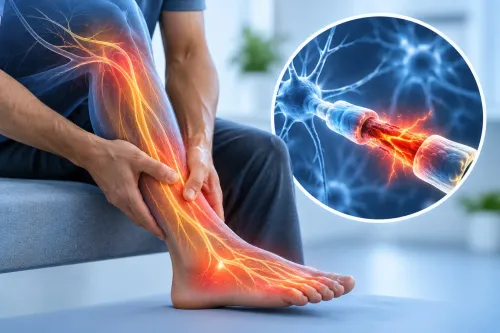
| Persistent numbness or weakness | Nerve-conduction studies and EMG | Peripheral nerve, nerve-root, plexus or muscle problems |
| Recurrent unexplained episodes | EEG when seizure is a genuine possibility | Abnormal electrical brain activity |
| Memory or thinking changes | Cognitive assessment plus medical review | Memory, attention, language and executive function |
| Fever, confusion or neck stiffness | Blood tests and possibly cerebrospinal-fluid testing | Infection, inflammation or encephalitis |
Blood tests answer a specific clinical question rather than forming one broad panel. Depending on your symptoms, testing may include glucose or HbA1c, vitamin B12, thyroid function, electrolytes, calcium, blood counts, kidney and liver function, inflammatory markers, autoimmune tests or infection testing. Indiscriminate panels create false positives and unnecessary follow-up.
Tilt-table testing or autonomic reflex testing suits fainting; polysomnography suits abnormal sleep. Tremor, slowness or involuntary movements may require a movement-disorder assessment. This focused approach is central to neurologist diagnosis in Mumbai: identify both where the problem is and what process is causing it.
MRI or CT: choosing the right picture of the brain and spine
MRI is usually more useful than CT head when the question involves soft tissue: brain, spinal cord, nerves, many tumours, inflammation, demyelination or structural disease. It gives clearer detail without ionising radiation. CT is faster, so it is commonly chosen for acute bleeding, major head injury, or when MRI is unsafe or unavailable.
| Scan | Best fit | Key limitation or addition |
|---|---|---|
| CT head without contrast | Suspected acute haemorrhage, major injury, or urgent stroke assessment | Rapidly excludes bleeding; CT angiography or CT perfusion may follow |
| MRI without contrast | Many structural, inflammatory, demyelinating and spinal-cord questions | Does not show every active lesion or abnormal vessel |
| MRI with gadolinium | Blood-brain-barrier disruption, active inflammation, some tumours, infection or abnormal vessels | Gadolinium is not needed for every MRI |
For suspected acute stroke, non-contrast CT is often performed urgently to exclude bleeding. CT angiography, CT perfusion or MRI-based imaging may be added when the result could change thrombolysis or thrombectomy decisions.
Before scheduling neurological tests in Mumbai, disclose kidney disease, pregnancy or possible pregnancy, allergies, implanted devices, metal fragments and claustrophobia. Sedation needs separate planning.
In neurology diagnostic services in Mumbai, a scan should answer a clinical question: small white-matter spots, old infarcts, mild atrophy or disc changes can be incidental, so an MRI report cannot establish the cause without symptoms and examination.
EEG: matching the recording method to the episode
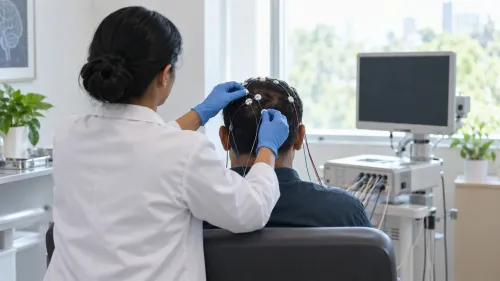
EEG records electrical brain activity and is most useful when the question is whether an episode could be an epileptic seizure. A normal routine EEG does not rule out epilepsy: it is a short recording, and abnormal activity may not appear when no episode occurs.
| Method | What it adds | When it fits |
|---|---|---|
| Routine EEG | Brief electrical recording | Initial assessment when seizure is suspected |
| Sleep-deprived EEG | Increases the chance of recording sleep-related abnormalities | Routine EEG is normal or inconclusive, especially when episodes relate to sleep |
| Ambulatory EEG | Records electrical activity for longer during daily life | Episodes happen often enough to capture outside hospital |
| Inpatient video EEG | Matches the tracing with video of movements, awareness and timing | The event itself needs recording to distinguish seizure from another episode |
The choice depends on episode frequency, whether you notice a warning, and whether capturing the event is essential. EEG is not a general test for every headache, dizziness or memory complaint. If fainting looks more like syncope and seizure is not suspected, cardiac or other assessment is more appropriate than EEG.
Before arranging neurological tests in Mumbai, document the duration, triggers, awareness, movements, recovery and witness observations. This information helps a specialist select among brain nerve tests in Mumbai rather than treating a normal short recording as a final answer.
EMG, nerve-conduction studies and blood tests for weakness or numbness
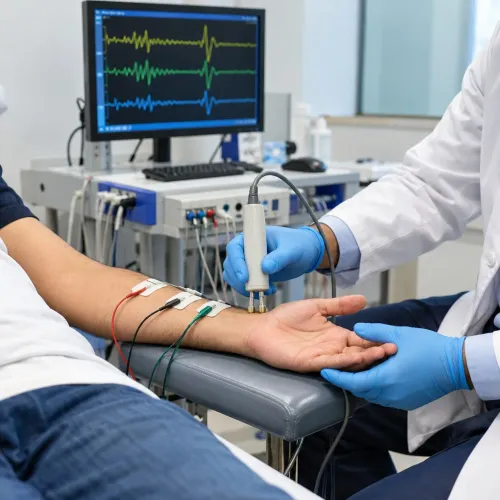
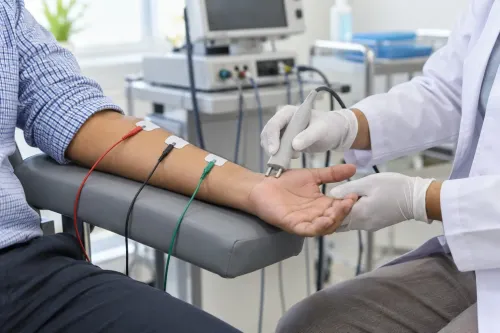
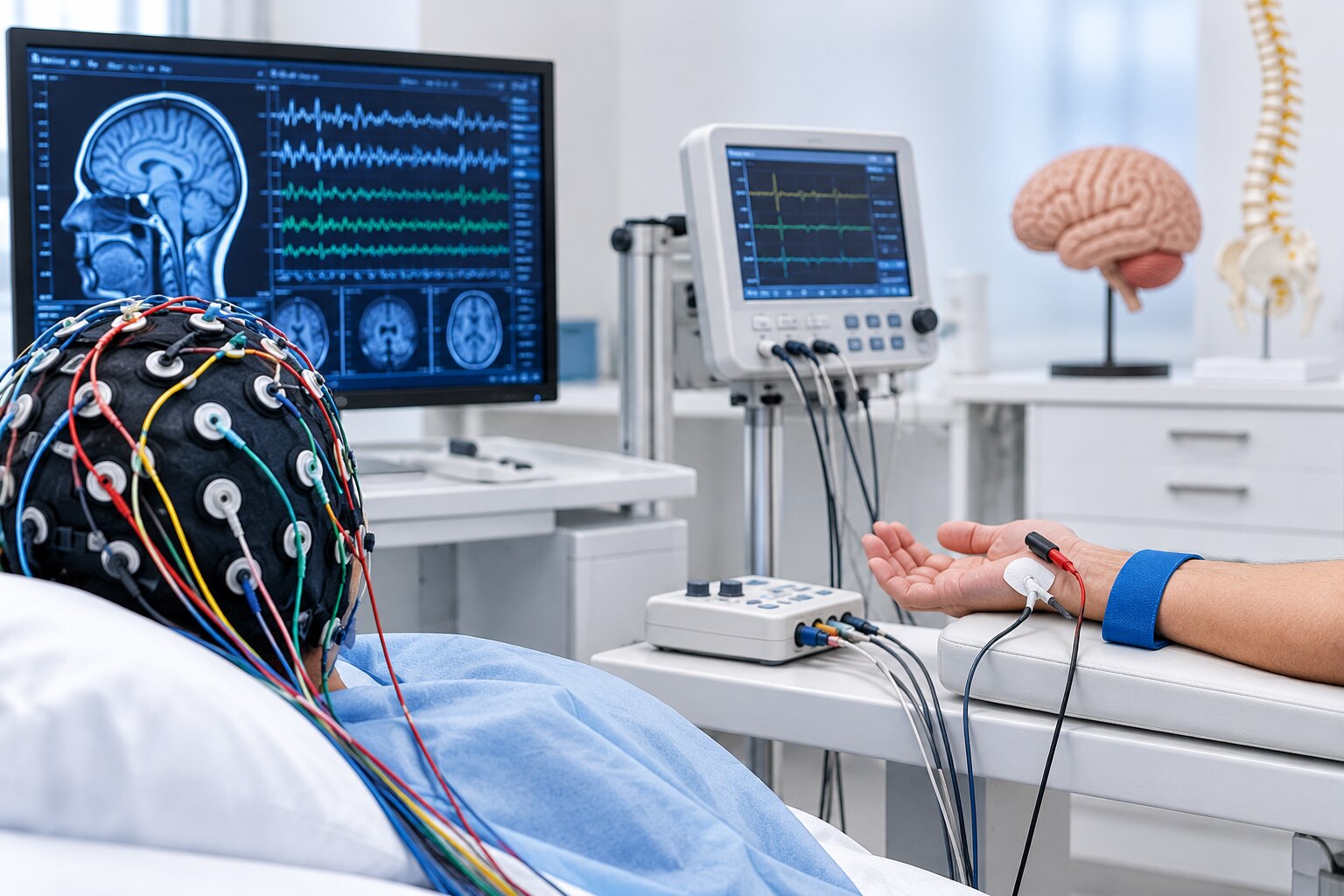
Nerve-conduction studies and needle EMG measure different parts of the nerve–muscle pathway. They are commonly performed during the same visit, with nerve-conduction studies often done first to guide the needle examination.
| Test | What it measures | What it can help assess |
|---|---|---|
| Nerve-conduction study | Speed and strength of electrical signals in sensory and motor peripheral nerves | Neuropathy, some nerve injuries and entrapments |
| Needle EMG | Electrical activity in muscle at rest and during activation | Radiculopathy, plexopathy, myopathy and selected neuromuscular-junction disorders |
Together, these tests can localise a problem, but neither automatically identifies its cause. Results can be normal early after an injury. Routine studies are also less useful for very small-fibre neuropathy because they mainly assess large myelinated fibres.
Blood tests add information about treatable systemic contributors. The choice depends on your symptoms and examination:
- Glucose or HbA1c for diabetes
- Vitamin B12 for deficiency
- Thyroid tests for thyroid disease
- Electrolytes and calcium for metabolic causes
- Blood counts, renal tests and liver tests for systemic contributors
- Inflammatory markers when inflammation is suspected
- Selected autoimmune or infection tests when the history supports them
Medication review remains important because some drugs cause weakness or neuropathy. Indiscriminate panels create false-positive results and unnecessary follow-up. These principles guide neurology diagnostic services in Mumbai and neurologist diagnosis in Mumbai: test the clinical question, not every possible disease.
When lumbar puncture, cognitive testing or specialist investigations are justified
A lumbar puncture is justified by a specific clinical question, not as a routine check-up. A needle in the lower back collects cerebrospinal fluid to measure opening pressure and analyse cells, protein, glucose, microbiology and other markers.
Doctors may consider it for meningitis, encephalitis, multiple sclerosis or another inflammatory disease, selected malignancies, or subarachnoid haemorrhage not shown on initial imaging.
Brain imaging before the procedure is recommended when a mass lesion or raised pressure is a concern. Warning features include focal neurological deficit, papilloedema, a new seizure, markedly impaired consciousness or significant immunocompromise.
Cognitive assessment measures memory, attention, language, processing speed and executive function. Genetic testing needs counselling when unusually young onset, a strong family history or a characteristic symptom pattern suggests inherited disease. Targeted investigations such as autonomic testing, polysomnography or movement-disorder assessment belong to defined problems such as fainting, abnormal sleep, tremor or involuntary movements.
Before booking neurological tests in Mumbai, ask:
- What clinical question will this test answer?
- Is contrast or sedation needed?
- What preparation, fasting or medication changes apply?
- When will urgent results be communicated?
- Should you bring prior scans and a medication list?
A specialist consultation, including with Dr. Sachin Adukia, connects test choice to your examination instead of treating an isolated report as a diagnosis. This approach makes a neurological evaluation in Mumbai more useful and prevents unnecessary testing.
Related services
Neuromuscular Disorder Testing Neuromuscular Disorder Testing under the guidance of Dr. Sachin Adukia is a comprehensive diagnostic service designed to accurately identify disorders affecting the nerves,... View service → |
Neurology Diagnostic Services Dr. Sachin Adukia offers comprehensive and advanced Neurology Diagnostic Services focused on the accurate evaluation and early detection of disorders... View service → |
Frequently asked questions
Why does a neurological evaluation start with an examination?
The examination assesses mental status, speech, cranial nerves, strength, tone, reflexes, sensation, coordination and gait. These findings help locate the affected structure and guide test selection.
Should I have an MRI or CT scan?
MRI provides detailed images of the brain, spinal cord and soft tissues. CT is faster and is especially useful when urgent assessment for bleeding or certain injuries is needed.
What does an EEG investigate?
An EEG records electrical activity in the brain. The neurologist chooses the recording method based on the timing, frequency and features of the episode.
When are EMG and nerve-conduction studies used?
These tests assess nerve and muscle function and can help investigate particular patterns of weakness, numbness or altered sensation.
When might I need a lumbar puncture or cognitive testing?
A lumbar puncture, cognitive assessment or specialist investigation is justified when the examination and history indicate a specific diagnostic question that the test can answer.
Keywords