Muscle weakness that improves after rest is not always caused by fatigue. In some individuals, it may be a sign of myasthenia gravis, an autoimmune neurological disorder that interferes with communication between nerves and muscles. Because symptoms fluctuate, diagnosis is sometimes delayed, allowing the condition to progress before treatment begins.
People living in Sakinaka who notice variable muscle weakness, drooping eyelids, or difficulty chewing should consider early neurological evaluation.
Understanding Myasthenia Gravis
Myasthenia gravis develops when the immune system mistakenly attacks receptors involved in transmitting nerve signals to muscles.
As communication between nerves and muscles becomes less effective, muscle strength decreases with activity and often improves after rest.
The condition can affect people of different ages and varies greatly in severity.
Common Symptoms
Symptoms may involve the eyes, face, throat, arms, legs, or breathing muscles.
Typical features include:
- Drooping eyelids
- Double vision
- Difficulty chewing
- Difficulty swallowing
- Slurred speech
- Weak grip strength
- Difficulty climbing stairs
- Fatigue that worsens with repeated activity
The fluctuating nature of symptoms is one of the key characteristics of the disease.
Why Accurate Diagnosis Matters
Several neurological and muscular disorders can resemble myasthenia gravis.
Proper diagnosis helps ensure patients receive appropriate treatment while avoiding unnecessary therapies.
Diagnostic Evaluation
Neurologists use several investigations to confirm the diagnosis.
These may include:
- Neurological examination
- Blood tests for specific antibodies
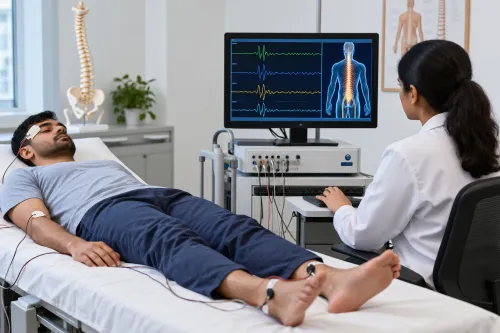
- Electromyography
- Repetitive nerve stimulation studies
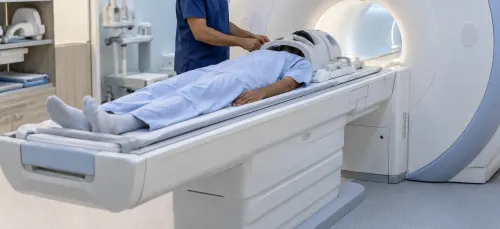
- Chest imaging when indicated
- Pulmonary function testing
Diagnosis is based on clinical findings together with investigation results.
Treatment Options
Modern treatment can successfully control symptoms in many patients.
Management may include:
- Medications that improve nerve-muscle communication
- Immunosuppressive therapy
- Corticosteroids when appropriate
- Intravenous therapies for severe episodes
- Thymus gland evaluation
- Lifestyle counselling
Treatment plans are tailored according to symptom severity and overall health.
Living Well With Myasthenia Gravis
Patients can often reduce symptom fluctuations by:
- Planning activities around energy levels
- Taking medications consistently
- Avoiding excessive heat
- Getting adequate sleep
- Managing infections promptly
- Attending regular neurological follow-up
Understanding personal triggers also helps improve daily functioning.
When Immediate Medical Care Is Needed
Seek urgent medical attention if weakness affects breathing or swallowing, as these symptoms may indicate a myasthenic crisis requiring emergency treatment.
Expert Diagnosis for Fluctuating Muscle Weakness
Recognizing myasthenia gravis early allows treatment to begin before significant complications develop. Dr. Sachin Adukia evaluates patients with fluctuating muscle weakness using comprehensive neurological assessment and evidence-based investigations to establish an accurate diagnosis and develop individualized treatment plans. Patients from Sakinaka and nearby areas can benefit from ongoing neurological care designed to improve strength, function, and quality of life.
Keywords