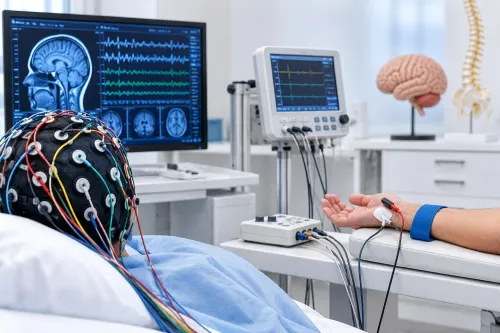
Dementia treatment and memory care solve different problems: one is clinical diagnosis and management, while the other provides supervision and help with daily living. By the end, you will know when an older adult needs urgent medical assessment, when home or residential support is justified, and why many Mumbai families need both.
Key takeaways
- Start with a neurologist when confusion is new, worsening or unsafe.
- Dementia treatment diagnoses causes and manages symptoms; memory care provides supervision and daily support.
- Ask for assessment of medicines, thyroid function, vitamin B12 and other treatable contributors.
- Combine medical follow-up, home safety measures and trained supervision when needs exceed family capacity.
Dementia treatment or memory care: what problem does each solve?
Start with a neurologist when confusion is new, worsening or unsafe; do not choose a facility first. Dementia treatment identifies the likely subtype, checks reversible or treatable contributors, manages symptoms and complications, and monitors change over time. Memory care is a supervision and living-support arrangement.
The usual answer to dementia treatment versus memory care in Mumbai is both: medical care manages the condition, while support matches safety and daily-living needs.
| Option | Problem it solves | What it provides |
|---|---|---|
| Dementia treatment | Diagnosis and clinical management | Subtype assessment, review of treatable contributors, symptom and complication management, and follow-up |
| Memory care | Unsafe or unsupported daily living | Help with medicines, bathing, meals, toileting, wandering, falls and night-time safety |
| Both | Medical needs plus supervision needs | Neurological care combined with family, home-care, day-care or residential support |
Arrange urgent neurological assessment before selecting care if the older adult has:
- Confusion that begins or worsens over hours or days
- Repeated falls, seizures, hallucinations or sudden personality change
- Severe sleep disruption, wandering or unsafe medicine use
Rapid confusion needs assessment for delirium caused by infection, medication toxicity, dehydration, metabolic illness or stroke, rather than an automatic dementia label. If memory loss is gradual but medicines, meals, toileting or night-time safety cannot be managed reliably, combine treatment with appropriate support. reassessment matters after an infection, fall, medication change or further decline.
What happens during a proper dementia assessment?
A proper dementia assessment combines clinical history, examination, cognitive screening and investigations; it is not simply a memory test or brain scan. A neurologist for dementia in Mumbai should speak with the older adult and an informant who knows their daily behaviour and recent changes.
- Review the timeline, including lost abilities, personality changes, falls, sleep and safety concerns.
- Check prescription, over-the-counter and sleep medicines for effects that impair thinking or balance.
- Assess mood, depression, daily function, independence and the ability to manage money, meals and medicines.
- Perform physical and neurological examinations, including movement, reflexes, walking, speech and vision.
- Use cognitive screening to establish a baseline, not to prove dementia from one score.
- Order blood tests that investigate vitamin B12 deficiency, thyroid disease, infection, dehydration and other metabolic contributors.
- Consider sleep apnoea, hearing loss, vision loss and medication effects before attributing every symptom to dementia.
MRI is usually preferred; CT is used when MRI is unsuitable. Imaging can exclude strokes, tumours, hydrocephalus and other causes, and help clarify the subtype, but a scan alone cannot diagnose dementia.
Identifying Alzheimer’s disease, vascular dementia, dementia with Lewy bodies or frontotemporal dementia matters because prognosis, safety advice and medication selection differ. Visual hallucinations, fluctuating attention, REM-sleep behaviour symptoms and parkinsonism require careful consideration of Lewy body dementia, where some medicines can worsen movement, alertness or confusion.
What can dementia treatment include after diagnosis?
After diagnosis, dementia treatment starts with finding problems that can worsen thinking or behaviour before attributing every change to irreversible dementia. A family asking about dementia treatment or memory care in Mumbai should expect a clinical plan, not only a prescription.
1. The clinician reviews thyroid disease, vitamin B12 deficiency, depression, infection, sleep apnoea, medication toxicity, dehydration, pain, hearing loss and vision loss. Treating these problems can improve function or reduce distress.
2. For Alzheimer’s disease, donepezil, galantamine or rivastigmine may provide symptomatic benefit in mild-to-moderate disease and selected later stages. Memantine may suit moderate disease when an acetylcholinesterase inhibitor is unsuitable, or severe disease. These medicines do not restore lost memory or cure dementia, and they are not appropriate for every memory complaint or subtype.
3. Ongoing care includes medication review, sleep and behaviour management, physical activity, personalised cognitive and social activities, predictable routines, good lighting, sensory correction and occupational strategies. Adapt activities to language, culture and ability, then monitor benefit and adverse effects at follow-up.
4. Do not use antipsychotics routinely for agitation, wandering or insomnia. Consider them only for serious risk of harm or severe distress, after non-drug measures fail; review closely and use the shortest duration because of stroke and mortality risks.
A neurologist may coordinate psychiatry, geriatrics, physiotherapy, occupational therapy or speech-language therapy as needs change.
What does memory care provide, and where does it stop?
Memory care becomes necessary when cognitive impairment creates safety or daily-living problems that family or ordinary home support cannot reliably manage. Repeated wandering, missed medicines, unsafe cooking, falls, toileting dependence or severe night-time disruption are clear warning signs.
Home care, adult day care and residential memory care can offer:
- Help with bathing, dressing, toileting, eating, mobility and medicines
- Supervision, fall prevention, structured activities and wandering controls
- Transport and planned respite for family caregivers
The setting does not diagnose dementia, reverse brain disease or replace neurological review. It must not adjust treatment without clinical oversight, and it is not automatically equipped to manage a stroke, severe infection or uncontrolled seizures.
Treat “memory care” as a service label, not proof of 24-hour nursing or emergency capability. Before choosing a provider, ask:
- Who is physically present overnight, and what happens when a resident wanders or falls?
- Who administers medicines, checks the doses and reconciles them against the doctor’s current list?
- What dementia training do staff complete, and how do they manage agitation?
- How does the facility escalate acute illness, and which hospital receives the resident?
- Can staff manage incontinence, feeding problems and declining mobility?
- How will families receive updates about falls, behaviour, missed medicines and health changes?
Choose home, day or residential care according to the risks you cannot safely cover, then maintain regular clinical follow-up alongside it.
How should a Mumbai family build a safe combined care plan?
Build the plan around one clinician who follows change over time, not around one facility. The clinician should review every prescription, over-the-counter medicine and supplement; distinguish delirium and depression from dementia; explain the working subtype; and coordinate geriatrics, psychiatry, physiotherapy, occupational therapy or speech-language therapy when needed.
Families searching for a dementia doctor for older adults in Mumbai can use this assessment to match support to actual risks and goals. Dr. Sachin Adukia is one local option for neurological assessment and follow-up; a consultation does not replace home assistance, supervision or residential care.
| Care element | Use it for | Reassess when |
|---|---|---|
| Clinical follow-up | Diagnosis, medication review and monitoring | After infection, a fall, medicine change or disease progression |
| Home support | Meals, bathing, medicines, mobility and routines | Wandering, missed doses or falls exceed safe supervision |
| Day or residential care | Continuous oversight, toileting, feeding and night-time safety | Needs exceed what family or paid home care can manage |
Before incapacity advances, record consent, preferred decision-makers, finances, emergency contacts, living arrangements and unwanted treatments. Ask for measurable goals such as fewer falls, better sleep or preserved independence. Be cautious of supplements, stem-cell procedures, unvalidated cognitive programmes and claims that one test can reverse dementia.
Related services
Dementia Treatment Dr. Sachin Adukia is a highly experienced neurologist providing comprehensive and compassionate Dementia evaluation, treatment, and long-term care. View service → |
Memory Loss Treatment Dr. Sachin Adukia is a highly experienced Neurologist offering comprehensive and advanced Memory Loss Evaluation and Treatment for patients of all... View service → |
Frequently asked questions
What is the difference between dementia treatment and memory care?
Dementia treatment is medical care that identifies the likely dementia subtype, checks treatable contributors, manages symptoms and monitors change. Memory care is a living and supervision arrangement that supports safety, routines, personal care and daily activities.
What happens during a dementia assessment?
A proper assessment reviews symptom history, medicines, mood, sleep and daily functioning; includes cognitive and neurological examination; and uses blood tests or brain imaging when clinically indicated to investigate the cause.
What can dementia treatment include after diagnosis?
Treatment can include management of vascular risks and other medical conditions, medicines for selected symptoms, non-drug strategies, caregiver guidance, safety planning and regular review of changes or complications.
What does memory care provide?
Memory care provides structured routines, supervision, help with personal care and meals, support with medications, and an environment designed to reduce wandering and other safety risks. It does not replace neurological diagnosis or medical review.
How should a Mumbai family combine dementia treatment and memory care?
Begin with a neurologist for dementia in Mumbai, document the diagnosis and care needs, then choose home or residential support based on supervision, mobility, behaviour, medical complexity and caregiver capacity. Keep scheduled medical follow-up after placement.
Keywords