Amyotrophic lateral sclerosis (ALS) is one of the most recognized forms of motor neuron disease. It gradually affects the nerves responsible for controlling muscles involved in movement, speaking, swallowing, and breathing. Because symptoms often begin subtly, early diagnosis can be challenging. Prompt neurological evaluation helps patients receive appropriate treatment, rehabilitation, and long-term care planning.
For families in Marol, understanding how ALS develops can make it easier to recognize symptoms and seek specialist care before significant disability develops.
What Is ALS?
Amyotrophic lateral sclerosis damages both upper and lower motor neurons, leading to progressive muscle weakness throughout the body.
The condition does not usually affect intelligence or awareness, but physical abilities gradually decline as muscles lose strength.
Every person's progression is different, making individualized treatment essential.
Symptoms Often Begin Gradually
Early symptoms may affect only one part of the body before spreading.
Common signs include:
- Weakness in the hands
- Difficulty lifting objects
- Frequent falls
- Muscle twitching
- Muscle cramps
- Slurred speech
- Difficulty swallowing
- Unexplained weight loss
Symptoms generally worsen over time and should not be ignored.
How ALS Is Diagnosed
No single investigation confirms ALS. Diagnosis depends on a combination of neurological examination and specialized testing.
Investigations may include:
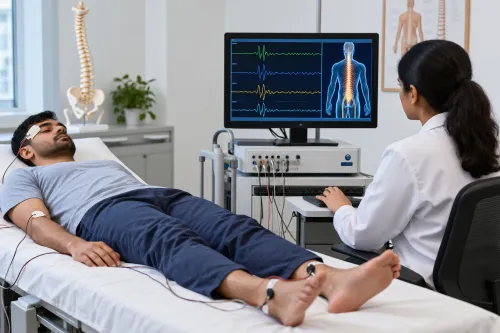
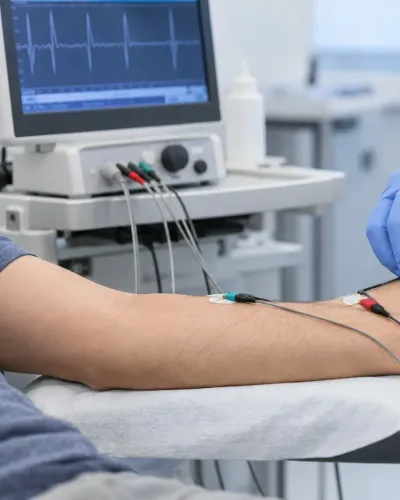
- Electromyography (EMG)
- Nerve conduction studies
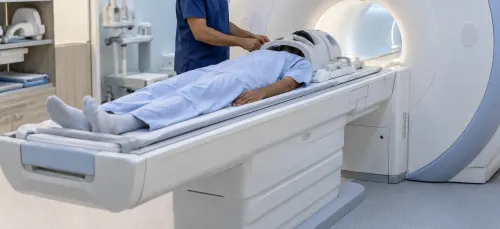
- MRI scans
- Blood investigations
- Pulmonary function assessment
- Swallowing evaluation
These tests also help exclude conditions that resemble ALS.
What Does ALS Treatment Involve?
Treatment focuses on slowing disease progression, relieving symptoms, and maintaining quality of life.
Management may include:
- Disease-modifying medication where appropriate
- Muscle cramp management
- Physiotherapy
- Speech therapy
- Nutritional support
- Respiratory assessment
- Mobility aids
- Psychological support
Comprehensive care often improves comfort and independence.
Supporting Daily Activities
Simple planning can make everyday life easier.
Patients may benefit from:
- Energy conservation techniques
- Adaptive eating utensils
- Home accessibility modifications
- Scheduled exercise programs
- Communication support devices when required
Early planning reduces future challenges.
The Role of Family Members
Caregivers often assist with mobility, nutrition, communication, and emotional support.
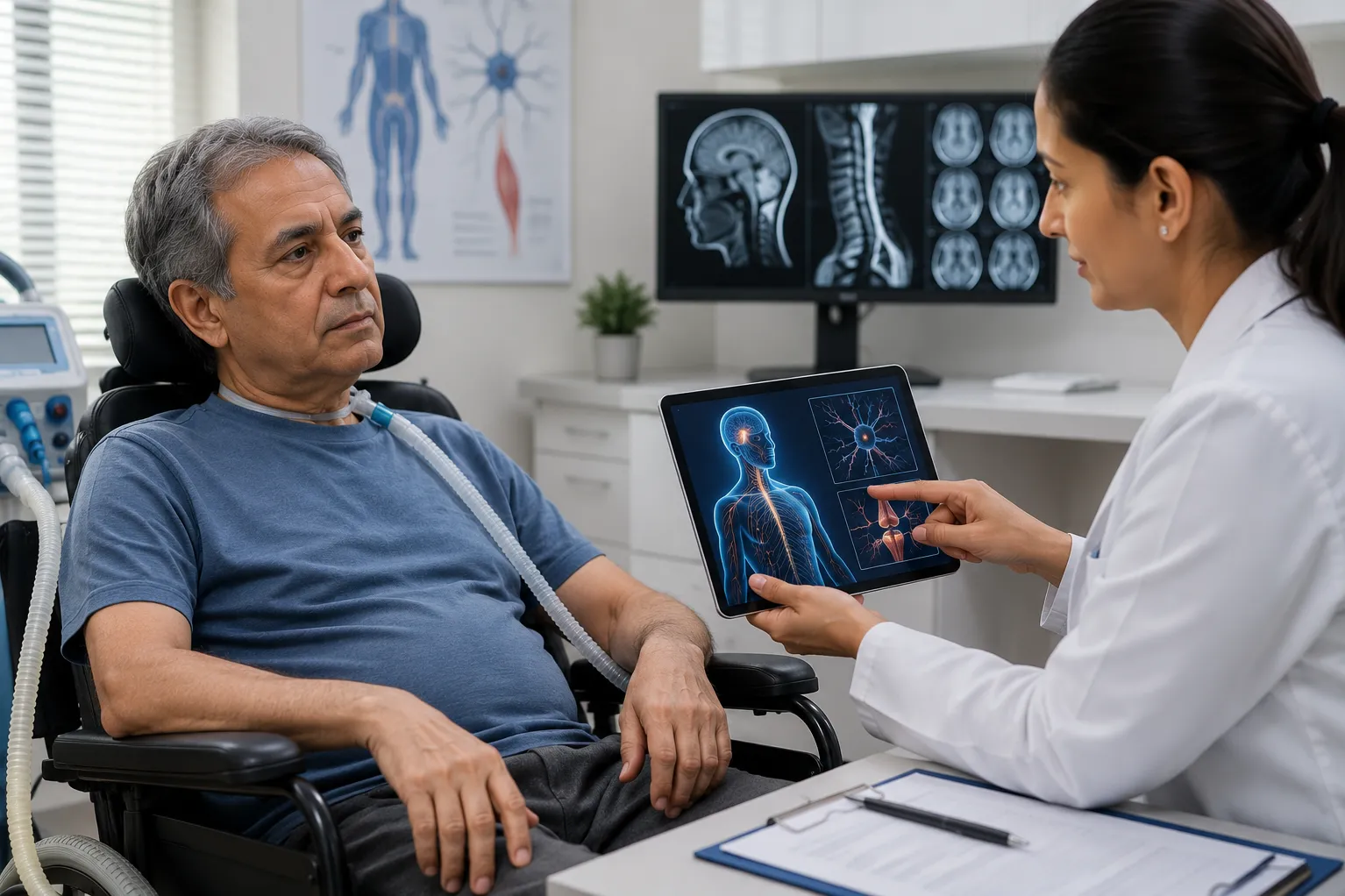
Regular discussions with the healthcare team help families understand disease progression and prepare for changing care needs.
When to Seek Neurological Evaluation
Persistent muscle weakness, progressive speech changes, or unexplained muscle wasting should always be evaluated by a neurologist.
Early diagnosis allows treatment to begin before complications significantly affect daily life.
Comprehensive ALS Care Close to Home
Managing amyotrophic lateral sclerosis requires ongoing neurological supervision and multidisciplinary rehabilitation. Dr. Sachin Adukia provides individualized ALS treatment plans that address physical symptoms, mobility, communication, and long-term support needs. Patients from Marol and surrounding communities benefit from comprehensive neurological care focused on maintaining dignity, comfort, and functional independence.
Keywords