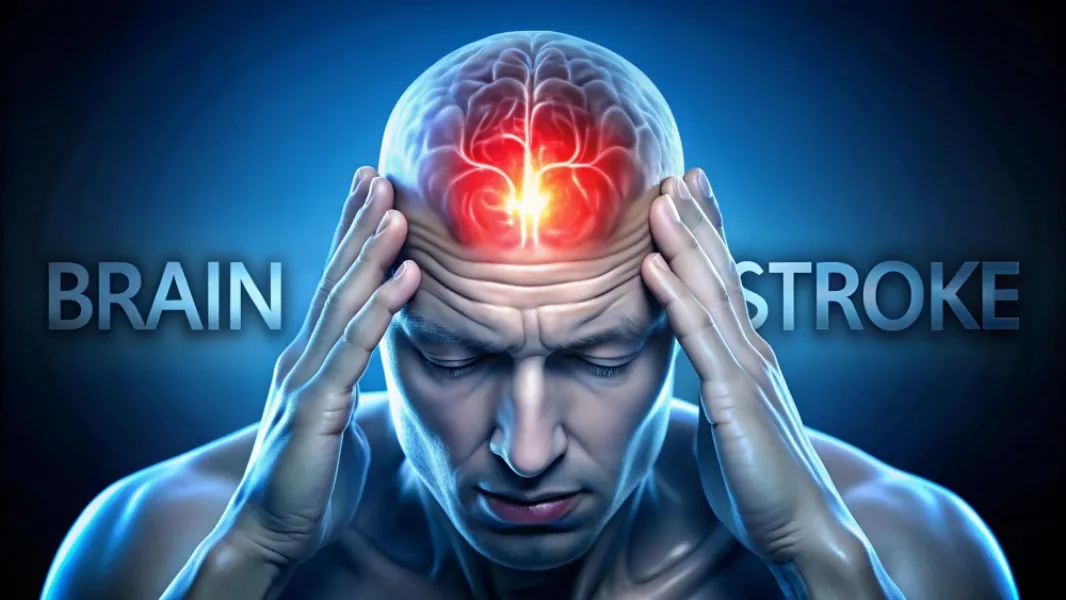
Stroke does not always begin with a dramatic collapse. Sometimes it starts with slurred speech, sudden confusion, facial drooping, blurred vision, or weakness in one arm that feels unusual for just a few minutes. These signs can appear suddenly, then pass, which is exactly why many people delay care. That delay can be risky.
Dr. Sachin Adukia gives importance to early recognition, timely diagnosis, and prevention planning when it comes to stroke-related symptoms. A warning episode may be the body’s way of signaling that blood flow to the brain has been interrupted, even briefly. Understanding these signs early can help prevent major complications later. For patients with risk factors like diabetes, high blood pressure, smoking history, or previous transient symptoms, proper neurological review becomes even more important.
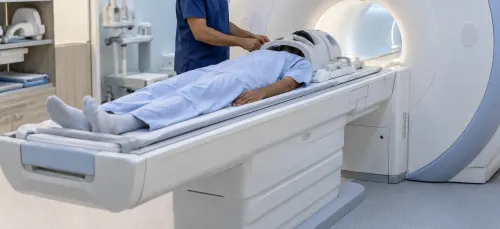
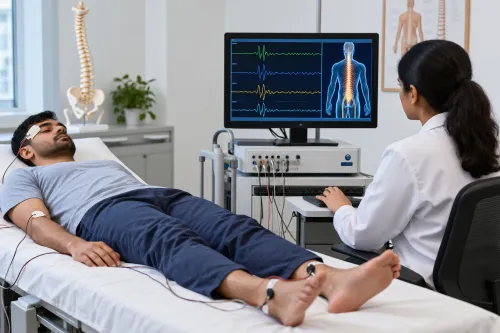
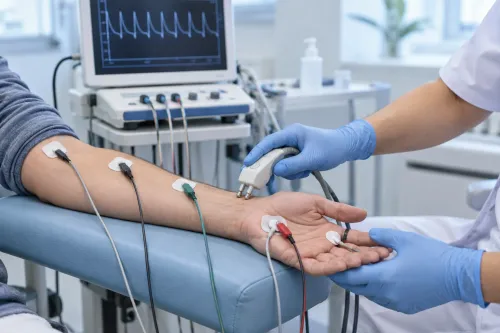
Diagnosis may involve clinical evaluation and brain-related investigations to understand whether the symptoms are linked to stroke, mini-stroke, or another neurological condition. Prevention is not just about medicines. It also involves monitoring risk factors, lifestyle adjustments, and long-term follow-up when necessary. These steps often make a meaningful difference in reducing future events.
If you have noticed sudden weakness, speech difficulty, facial changes, or brief episodes of imbalance, consulting for stroke diagnosis and prevention in Powai can help you act before a more serious event develops.
Keywords