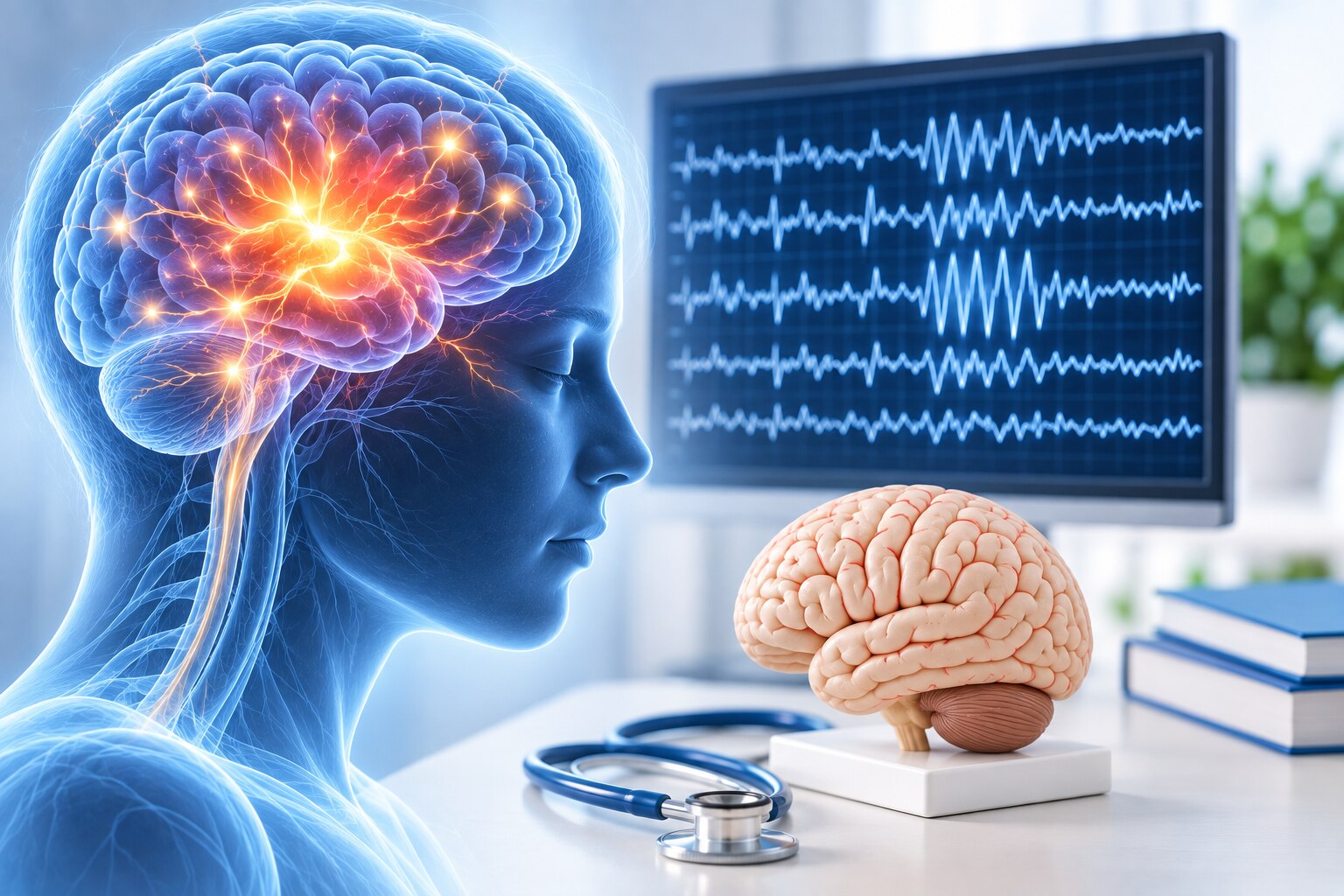
A seizure can be epilepsy, but it can also result from fainting, low blood sugar, alcohol withdrawal, sleep-related movement or another medical problem. You will learn how to respond safely, what evaluation and treatment involve, and how to choose ongoing care near Ghatkopar without delaying emergency help.
Key takeaways
- Call emergency services for a first seizure or an episode lasting five minutes.
- Turn the person onto their side and clear nearby hazards; never restrain them.
- Track triggers, missed doses, episode duration and recovery details for the neurologist.
- Seek specialist review for repeated seizures, medication side effects or ongoing episodes.
Recognising a seizure and responding safely
Call emergency services for a first-ever seizure, an episode lasting five minutes or longer, repeated seizures without recovery, breathing difficulty, serious injury, pregnancy, diabetes, or a seizure in water.
A recurrent seizure in someone with diagnosed epilepsy may stop within the person’s usual pattern, but use their rescue plan and seek help if it does not.
| Event | Clues | What it means |
|---|---|---|
| Focal seizure | Déjà vu, a rising stomach sensation, unusual smell, staring or impaired awareness | Activity begins in one brain region and may spread |
| Generalised convulsion | Loss of awareness, stiffening, rhythmic jerking, then recovery | Both sides of the brain are involved |
| Fainting | Trigger, brief collapse, rapid recovery; jerks can occur | Reduced blood flow, not necessarily epilepsy |
| Psychogenic nonepileptic seizure | Convulsive-appearing movements without epileptic electrical activity | Requires neurological assessment, not blame |
| Low blood sugar or sleep movement | Sweating, confusion and weakness; or brief jerks during sleep | Treat the cause; it is not automatically epilepsy |
During the episode:
- Move hard objects away, cushion the head and loosen tight clothing.
- Time the seizure. Do not restrain the person or put fingers or any object in the mouth.
- Do not give food, water or tablets during convulsions.
- After jerking stops, turn the person onto their side and check breathing.
A witness account or safe phone video should record duration, awareness, movements and recovery. Medication, alcohol, recreational drugs, blood glucose and other medical history help a neurologist distinguish epilepsy from look-alikes. If you are seeking seizure treatment near Ghatkopar, arrange assessment after any unexplained event.
How a neurologist confirms the cause and seizure type
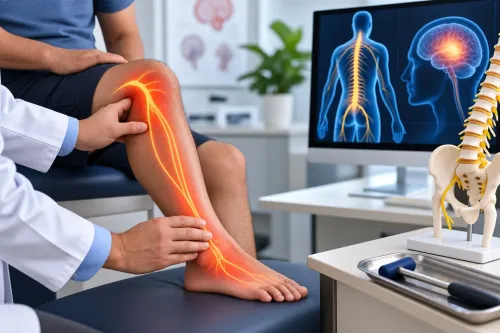
After an episode, the neurologist reconstructs what happened and checks for causes that mimic seizures, including fainting or a heart-rhythm problem. A witness account or safe phone video should show the duration, awareness, eye and body movements, breathing, recovery time and injuries.
Bring medication names and doses, missed doses, alcohol or recreational drug use, sleep loss, infections, previous head injury, stroke and other medical history.
The assessment checklist includes:
- A neurological examination, blood glucose, targeted blood tests and an ECG to identify low sugar, infection, electrolyte disturbance, medication toxicity or an abnormal rhythm.
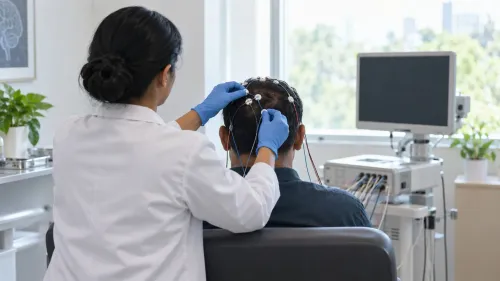
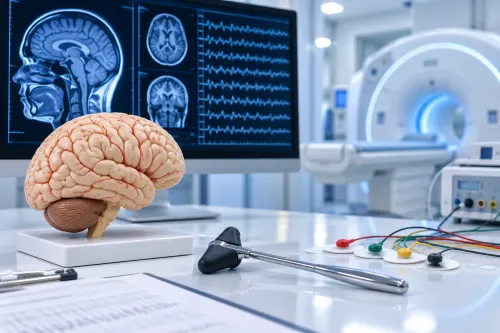
- An EEG to assess electrical patterns, followed by brain MRI when indicated. An epilepsy-specific MRI protocol can reveal structural causes missed on a routine scan.
- Sleep-deprived, ambulatory or prolonged video-EEG monitoring when the diagnosis or seizure type remains uncertain.
A focal seizure begins in one brain region; a generalised seizure involves both sides from onset; an unknown-onset seizure cannot be classified initially. A normal routine EEG does not rule out epilepsy because it samples only a limited period. An abnormal EEG supports the diagnosis but cannot replace the clinical history.
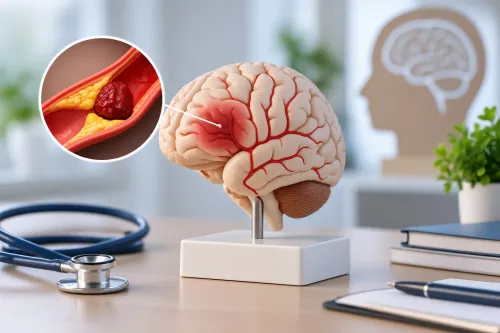
Epilepsy differs from one provoked seizure caused by fever, alcohol withdrawal, sleep deprivation, medication toxicity, infection, stroke or metabolic disturbance. An epilepsy doctor Ghatkopar or neurologist for seizures Ghatkopar will use the full history, examination and test results rather than one movement or one report alone.
Building a daily plan for medication and episode control
Ongoing control requires a treatment plan matched to seizure type, age, pregnancy plans, other medicines, kidney and liver function, and side-effect risks. An effective drug for one seizure type can worsen another, so never borrow, switch or stop treatment without the prescribing clinician.
Medicine examples differ in use:
| Medicine | Key selection issue |
|---|---|
| Levetiracetam | Review mood and behaviour effects |
| Lamotrigine | Titrate carefully; pregnancy planning matters |
| Valproate | Major fetal risks require specific reproductive-safety counselling |
| Carbamazepine | Useful for some focal seizures; check interactions |
| Oxcarbazepine | Useful for some focal seizures; monitor sodium and interactions |
Take fixed doses at the same times, follow the clinician’s written missed-dose instructions, and never stop abruptly. Contact the clinician or pharmacist about vomiting, interactions, shortages or dose changes; do not double tablets. Ask about folic acid, contraception interactions and pregnancy monitoring before conception.
Keep a rescue plan for prolonged convulsions: trained caregivers may give buccal midazolam or rectal diazepam exactly as prescribed. Call emergency services if the personalised plan does not stop the seizure.
Record date, time, warning, awareness, movements, duration, trigger, injury, missed medicine and recovery time. Protect control with regular sleep and meals; address illness promptly and avoid alcohol or recreational drugs. Use supervised swimming, safe bathing, height and cooking precautions, and follow medical advice on driving and workplace hazards.
For epilepsy seizure treatment for Ghatkopar, bring this diary to every review.
When ongoing seizures require specialist escalation
Seizures continuing after two appropriately selected, tolerated and adequately used antiseizure medicines—alone or together—meet the definition of drug-resistant epilepsy when they have not achieved sustained seizure freedom. Do not cycle through medicines indefinitely: reassess the diagnosis, adherence, dose, drug interactions and seizure classification.
Ask an epilepsy specialist in Ghatkopar about referral to a comprehensive epilepsy centre for prolonged video-EEG, epilepsy-protocol MRI review and multidisciplinary assessment. This can confirm whether the events are epileptic, locate their source and identify the safest next treatment.
For a safely localised focal seizure source, epilepsy surgery may remove the seizure-producing region and offer a stronger chance of seizure freedom than medication alone. Testing maps language, memory, vision and movement before surgery. Surgery is less suitable when seizures are generalised or the focus cannot be located safely.
Specialist options include vagus nerve stimulation, responsive neurostimulation and ketogenic diet therapy. These do not replace diagnosis, seizure classification or medication review.
Prepare for the appointment with:
- Medicine strips or a complete medicine list, including doses and missed doses
- Previous EEG reports, scan images or reports, and discharge papers
- Safe phone videos of episodes
- A witness history covering awareness, movements, duration and recovery
Search terms such as epilepsy specialist ghatkopar should lead you to care that can coordinate video-EEG, imaging, medication follow-up and referral—not simply issue another prescription.
Choosing seizure care in and around Ghatkopar
Distance is only one part of choosing seizure care. A neurologist in Ghatkopar may suit you better than a clinic in Vikhroli, Kanjurmarg, Mulund or Bhandup if follow-up is reliable and investigations are easy to arrange.
| Area | Check before choosing | Why it matters |
|---|---|---|
| Ghatkopar | Travel time, EEG/MRI access and follow-up slots | Convenient reviews support medication adherence |
| Vikhroli or Kanjurmarg | Emergency referral pathway and language | Delays matter if a seizure worsens |
| Mulund or Bhandup | Tertiary-hospital coordination | Useful when diagnosis or treatment becomes complex |
| Any location | Adult or paediatric expertise | Children and adults need different assessment and counselling |
Ask each epilepsy doctor ghatkopar option, or any service found through “seizure treatment near ghatkopar”, these questions:
- Who reviews children, adults or both?
- Where are EEG, epilepsy-protocol MRI, prolonged video-EEG and blood tests performed?
- Which hospital receives patients after a prolonged seizure or serious injury?
- Can the clinician coordinate with a tertiary-care hospital or epilepsy surgery centre?
- How quickly are follow-ups, prescription renewals and adverse-effect reviews available?
- What languages are used, and can a family member attend?
Ongoing control needs a seizure diary, timely renewals, adverse-effect monitoring, investigations and a relative who can describe episodes accurately. Dr. Sachin Adukia can be considered for outpatient neurological assessment and continuing seizure care; verify fees, appointments, age groups, diagnostic facilities, emergency coverage, insurance and referral requirements directly.
A prolonged active seizure, severe breathing problem, major injury, suspected stroke, high fever with confusion or first seizure requires emergency assessment, not an outpatient appointment.
Related service
Epilepsy & Seizure Treatment Dr. Sachin Adukia is a trusted and experienced Neurologist offering comprehensive Epilepsy and Seizure Disorder treatment with a focus on accurate... View service → |
Frequently asked questions
When should you call emergency services for a seizure?
Call emergency services for a first-ever seizure, an episode lasting five minutes or longer, repeated seizures without recovery, breathing difficulty, serious injury, pregnancy, diabetes, or a seizure in water.
What should you do while someone is having a seizure?
Clear nearby hazards, cushion the person’s head, loosen tight clothing and turn them onto their side when possible. Do not restrain them or put anything in their mouth.
How does a neurologist confirm the cause and seizure type?
A neurologist reviews what happened before, during and after the episode, examines you and may use tests such as an EEG, brain MRI, blood tests or other monitoring when indicated.
When do ongoing seizures require specialist escalation?
Arrange specialist escalation when seizures continue despite treatment, recur after a medication change, cause serious side effects, or the diagnosis remains uncertain.
Keywords