Walking difficulties, memory problems, and urinary incontinence are often assumed to be inevitable signs of ageing. However, when these three symptoms occur together, they may indicate normal pressure hydrocephalus (NPH), a neurological condition that can sometimes improve significantly with appropriate treatment.
Residents of Govandi experiencing these symptoms should seek neurological evaluation, as early diagnosis may offer treatment opportunities that are not available once the condition becomes advanced.
What Is Normal Pressure Hydrocephalus?
Normal pressure hydrocephalus occurs when excess cerebrospinal fluid accumulates inside the brain's ventricles. Although pressure measurements may remain normal, the enlarged ventricles interfere with brain function, affecting movement, bladder control, and memory.
Unlike many other causes of dementia, NPH is potentially treatable when diagnosed early.
Recognizing the Classic Symptoms
The condition commonly presents with three major symptoms:
- Difficulty walking or shuffling gait
- Memory impairment
- Loss of bladder control
Walking problems usually appear first and may gradually worsen over time.
Other symptoms may include:
- Poor balance
- Frequent falls
- Slowed thinking
- Reduced attention
- Difficulty performing familiar tasks
Why NPH Is Frequently Misdiagnosed
Many symptoms overlap with Alzheimer's disease, Parkinson's disease, or age-related mobility issues.
Without appropriate neurological assessment, patients may spend months or years receiving treatment for the wrong condition.
Early recognition improves the likelihood of successful intervention.
How Neurologists Diagnose NPH
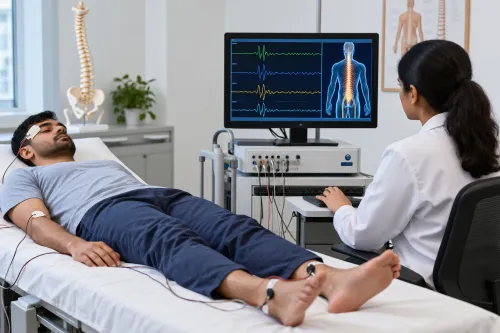
Diagnosis combines symptom evaluation with specialized investigations.
Testing may include:
- Detailed neurological examination
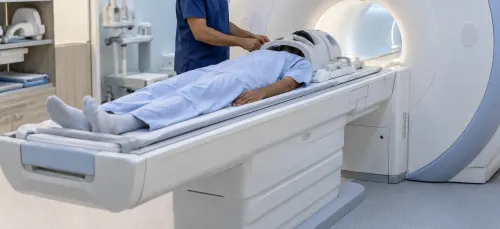
- Brain MRI or CT scan
- Walking assessment
- Cognitive testing
- Lumbar tap test
- Additional cerebrospinal fluid studies when necessary
These assessments help determine whether patients are likely to benefit from treatment.
Treatment Options
The primary treatment for suitable candidates is surgical placement of a shunt that diverts excess cerebrospinal fluid.
Before recommending surgery, neurologists carefully evaluate:
- Symptom severity
- Brain imaging findings
- Overall health
- Functional ability
- Expected benefits
Not every patient requires immediate surgery, making individualized evaluation essential.
Rehabilitation After Treatment
Recovery often involves rehabilitation to maximize functional improvement.
Patients may benefit from:
- Physiotherapy
- Balance training
- Occupational therapy
- Cognitive exercises
- Regular neurological monitoring
Progress varies depending on how early treatment begins.
When Should You Seek Medical Advice?
Consult a neurologist if walking becomes progressively slower while memory problems and bladder symptoms develop together.
Early diagnosis provides the greatest opportunity for meaningful improvement.
Expert Evaluation for Normal Pressure Hydrocephalus
Diagnosing normal pressure hydrocephalus requires careful clinical assessment and interpretation of imaging findings. Dr. Sachin Adukia evaluates patients with suspected NPH to determine the underlying cause of symptoms and identify appropriate treatment options. Individuals from Govandi and surrounding areas can receive comprehensive neurological assessment designed to improve mobility, independence, and overall quality of life.
Keywords