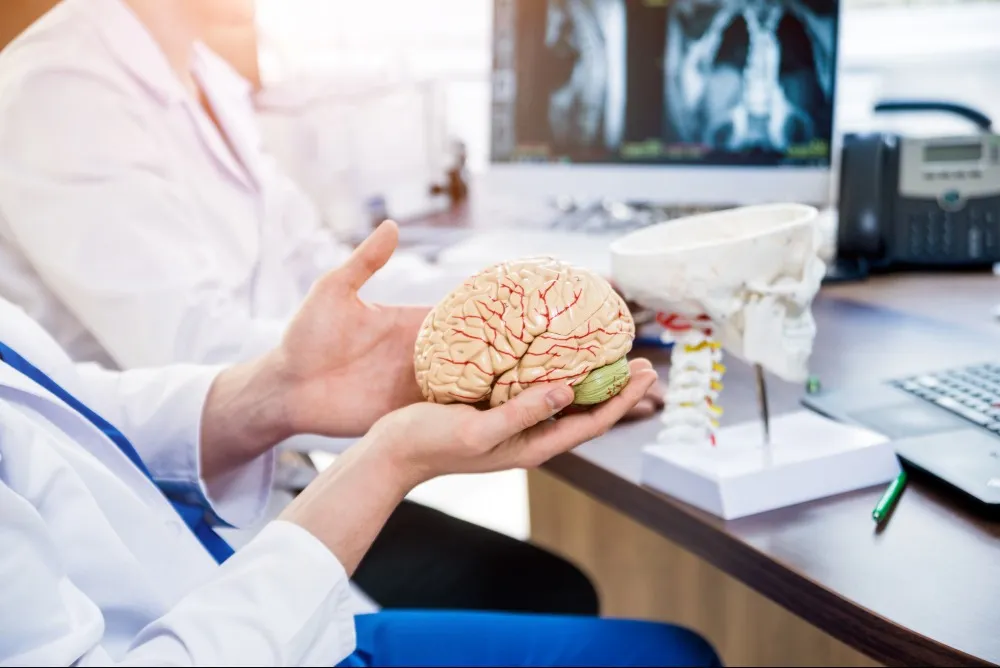
Motor neuron disease (MND) is a progressive neurological disorder that affects the nerve cells responsible for controlling voluntary muscles. Because the early symptoms can resemble common orthopedic or age-related problems, diagnosis is often delayed. Recognizing the warning signs and seeking specialist neurological evaluation can help patients receive appropriate treatment, rehabilitation, and supportive care sooner.
People living in Chandivali who notice persistent muscle weakness or unexplained changes in movement should not ignore these symptoms, especially if they continue to worsen over time.
What Is Motor Neuron Disease?
Motor neuron disease is a group of conditions in which the motor neurons gradually lose their ability to send signals from the brain and spinal cord to the muscles. As these nerve cells deteriorate, muscles become weaker, smaller, and less able to perform everyday movements.
The condition primarily affects voluntary muscle control while sensation usually remains intact.
Early Symptoms That Deserve Medical Attention
The first signs often develop gradually and may affect different parts of the body.
Common symptoms include:
- Weakness in one hand or arm
- Frequent tripping or foot weakness
- Difficulty climbing stairs
- Muscle cramps
- Twitching muscles
- Slurred speech
- Difficulty swallowing
- Reduced grip strength
Symptoms usually become more noticeable over months rather than days.
When Weakness Is More Than Fatigue
Many people attribute ongoing weakness to ageing, overwork, or vitamin deficiencies. However, weakness caused by motor neuron disease tends to progress despite adequate rest.
Medical evaluation is recommended when:
- Weakness continues to worsen
- Both strength and coordination decline
- Muscle wasting becomes visible
- Daily activities become increasingly difficult
- Speech or swallowing changes develop
Persistent progression is an important warning sign.
How Motor Neuron Disease Is Diagnosed
Diagnosis requires careful neurological assessment because several conditions can produce similar symptoms.
A neurologist may recommend:
- Comprehensive neurological examination
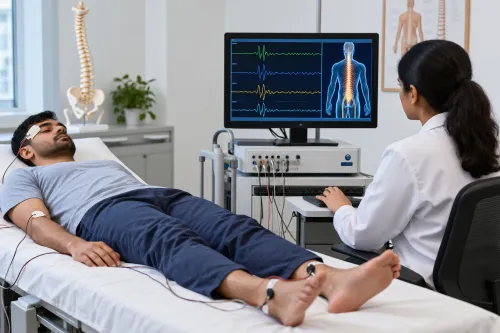
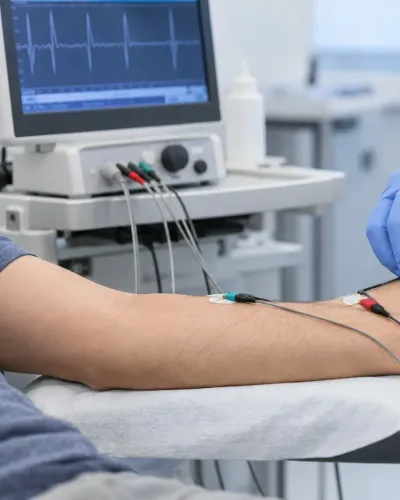
- Electromyography (EMG)
- Nerve conduction studies
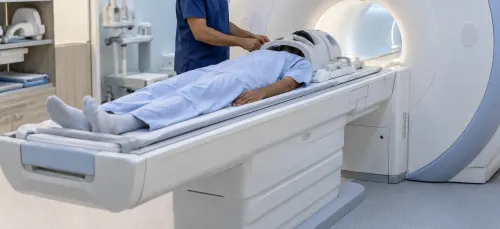
- MRI brain and spine
- Blood investigations
- Muscle strength assessment
The goal is to confirm the diagnosis while excluding treatable neurological disorders.
Why Early Management Matters
Although there is currently no cure, early management helps improve comfort, maintain mobility, and address complications before they become severe.
Management often includes:
- Disease-specific medication when appropriate
- Physiotherapy
- Occupational therapy
- Speech and swallowing therapy
- Nutritional guidance
- Respiratory monitoring
- Assistive devices for mobility
Early rehabilitation often helps patients remain independent for longer.
Practical Adjustments at Home
Daily modifications can improve safety and reduce physical strain.
Helpful measures include:
- Remove household trip hazards.
- Use supportive seating.
- Install handrails where needed.
- Schedule regular rest periods.
- Choose lightweight household items.
- Maintain balanced nutrition.
- Follow prescribed exercise programs.
These changes support both patients and caregivers.
The Importance of Multidisciplinary Care
Managing MND often requires coordination between neurologists, physiotherapists, speech therapists, dietitians, and rehabilitation specialists.
Regular follow-up allows treatment plans to evolve as symptoms change while maintaining the highest possible quality of life.
Specialized Neurological Care for Progressive Muscle Weakness
Patients experiencing progressive muscle weakness benefit from prompt neurological evaluation to identify the underlying cause and begin supportive treatment. Dr. Sachin Adukia provides comprehensive assessment and individualized motor neuron disease management, helping patients and caregivers navigate the condition with evidence-based care. Individuals from Chandivali and nearby areas can access ongoing neurological support focused on preserving function and maximizing independence.
Keywords