Movement disorders are often associated with Parkinson's disease, but not every patient experiencing stiffness, slowed movement, or balance problems has the same condition. Atypical Parkinsonism includes a group of neurological disorders that resemble Parkinson's disease while progressing differently and requiring a distinct diagnostic approach.
For people in Ghatkopar experiencing unexplained movement difficulties, obtaining an accurate diagnosis early can help guide treatment decisions and improve quality of life.
What Is Atypical Parkinsonism?
Atypical Parkinsonism refers to several neurodegenerative disorders that produce symptoms similar to Parkinson's disease but involve additional neurological changes.
These disorders generally progress more rapidly and may respond differently to standard Parkinson's medications.
Conditions within this group include:
- Progressive supranuclear palsy
- Multiple system atrophy
- Corticobasal syndrome
- Dementia with Lewy bodies
Each condition affects different parts of the nervous system.
Symptoms That May Suggest Atypical Parkinsonism
Some symptoms overlap with Parkinson's disease, while others raise suspicion of an atypical disorder.
Possible signs include:
- Early balance problems
- Frequent falls
- Severe stiffness
- Difficulty moving the eyes
- Speech and swallowing difficulties
- Poor response to Parkinson's medication
- Blood pressure fluctuations
- Cognitive decline
Because these symptoms may develop gradually, they are sometimes mistaken for normal ageing.
How Is It Different From Parkinson's Disease?
Although both conditions involve movement difficulties, several important differences exist.
Patients with atypical Parkinsonism may experience:
- Faster disease progression
- Earlier walking difficulties
- More pronounced balance impairment
- Greater autonomic dysfunction
- Reduced medication response
- Earlier speech problems
Recognizing these differences helps doctors reach a more accurate diagnosis.
Why Early Diagnosis Matters
A precise diagnosis helps patients and caregivers understand what to expect while allowing better long-term planning.
Early diagnosis supports:
- Appropriate medication selection
- Symptom management
- Rehabilitation planning
- Fall prevention
- Nutritional guidance
- Caregiver education
It also prevents unnecessary delays caused by ineffective treatments.
How Neurologists Evaluate the Condition
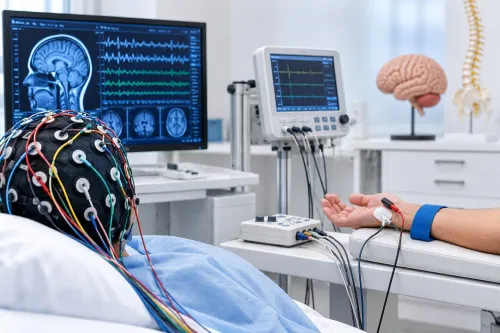
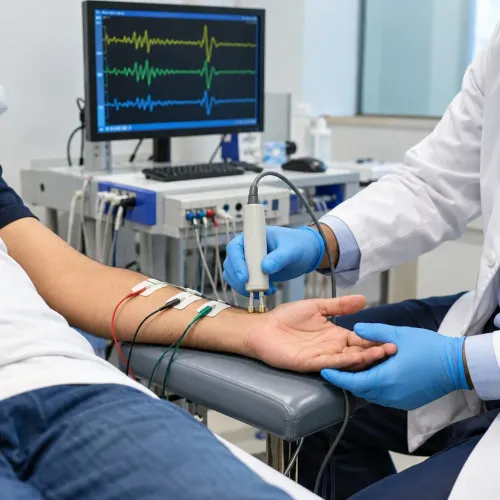
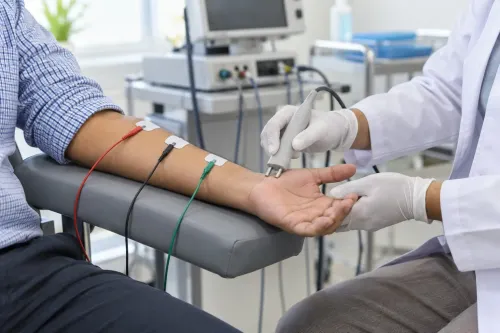
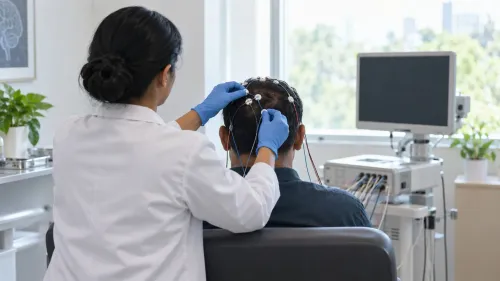
Diagnosis relies on a combination of clinical expertise and detailed neurological assessment.
Evaluation may include:
- Comprehensive neurological examination
- Review of symptom progression
- Brain MRI
- Movement assessment
- Cognitive evaluation
- Balance and gait analysis
- Blood tests to exclude other disorders
There is currently no single laboratory test that confirms atypical Parkinsonism.
Managing Daily Challenges
Although no cure currently exists, many symptoms can be managed successfully.
Treatment often includes:
- Individualized medications
- Physiotherapy
- Occupational therapy
- Speech therapy
- Swallowing assessment
- Nutritional counselling
- Home safety modifications
Management plans evolve as symptoms change over time.
Supporting Caregivers
Family members play an important role in helping patients remain safe and independent.
Helpful strategies include:
- Removing fall hazards
- Encouraging supervised exercise
- Monitoring swallowing problems
- Attending follow-up appointments
- Watching for changes in memory or behaviour
Caregiver education improves confidence while reducing preventable complications.
When Should Medical Advice Be Sought?
Consult a neurologist if movement problems are accompanied by:
- Frequent falls
- Poor balance
- Double vision
- Difficulty swallowing
- Sudden cognitive decline
- Significant blood pressure changes
- Rapid worsening of symptoms
Early evaluation helps distinguish atypical Parkinsonism from other neurological conditions.
Comprehensive Evaluation by a Neurology Specialist
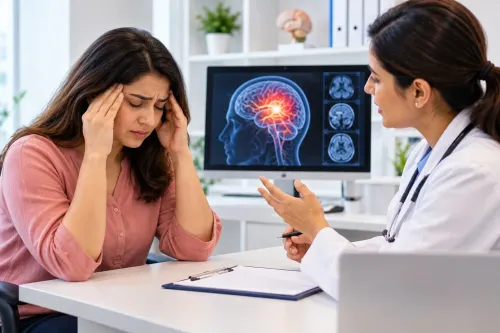
Diagnosing complex movement disorders requires careful clinical observation and ongoing follow-up. Dr. Sachin Adukia evaluates patients with suspected atypical Parkinsonism through detailed neurological examination, imaging when required, and individualized management strategies. Patients from Ghatkopar and nearby areas can benefit from timely assessment that supports accurate diagnosis and better long-term care.
Keywords