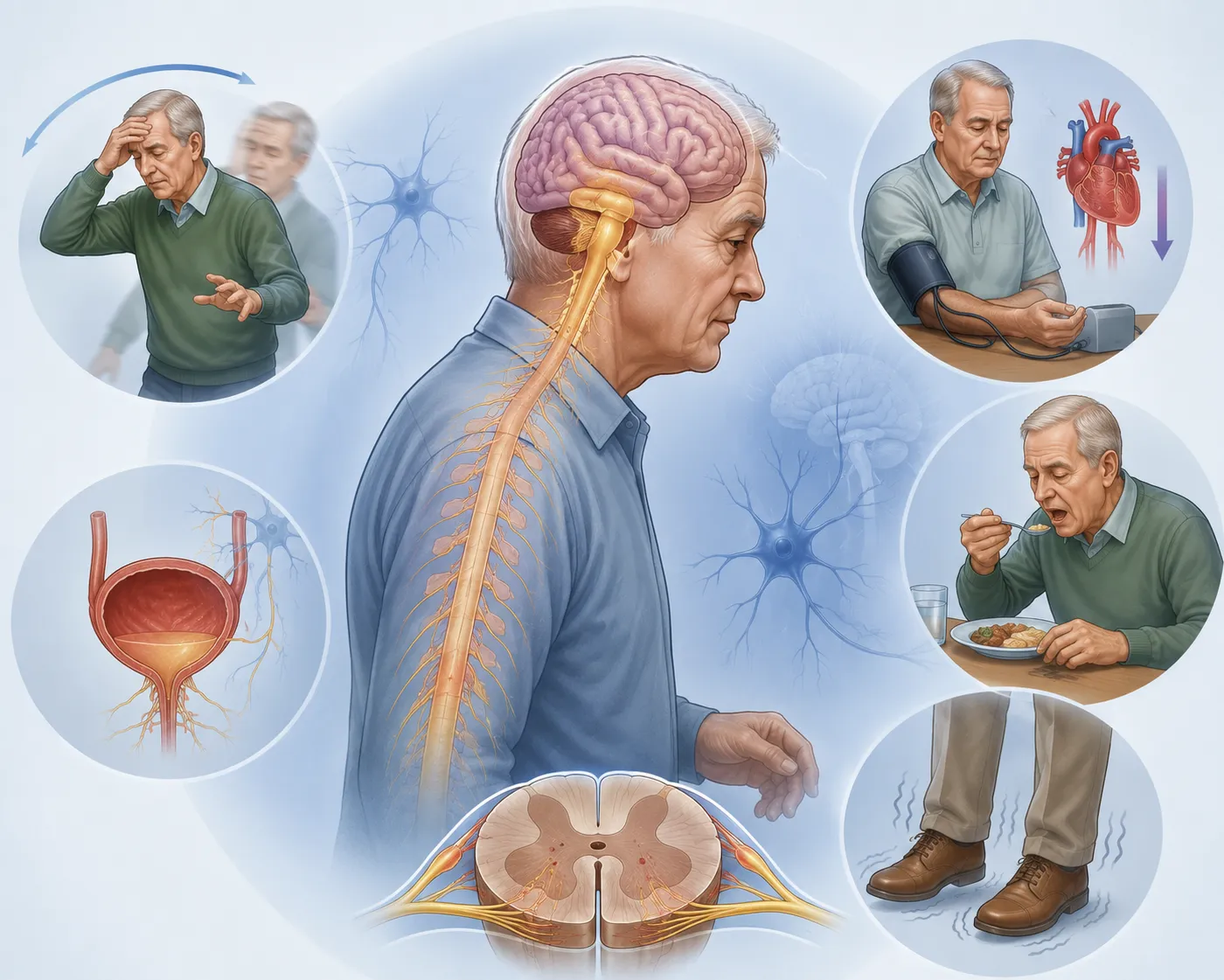
Multiple system atrophy (MSA) is a rare, progressive neurological disorder that affects movement, balance, blood pressure regulation, bladder function, and other automatic body functions. Because its symptoms often resemble Parkinson's disease in the early stages, many patients experience delays in diagnosis. Comprehensive management can make a meaningful difference by addressing the wide range of symptoms that affect everyday life.
Residents of Bhandup experiencing persistent movement problems combined with dizziness, bladder changes, or balance issues should seek evaluation from a neurologist familiar with complex movement disorders.
What Is Multiple System Atrophy?
MSA is a neurodegenerative condition in which different areas of the nervous system gradually lose function. Depending on which parts of the brain are primarily affected, symptoms may involve Parkinson-like movement difficulties, poor coordination, or significant autonomic dysfunction.
The condition progresses over time, making regular medical follow-up essential.
Common Symptoms of MSA
Symptoms vary between individuals but often include:
- Muscle stiffness
- Slow movement
- Poor balance
- Frequent falls
- Tremors in some patients
- Dizziness on standing
- Low blood pressure
- Bladder control problems
- Constipation
- Sleep disturbances
- Speech and swallowing difficulties
Many patients experience symptoms affecting multiple body systems simultaneously.
Why Early Recognition Is Important
An accurate diagnosis allows doctors to develop a management plan that addresses movement issues as well as non-motor symptoms.
Early diagnosis also helps patients and families prepare for future care needs and reduces the risk of preventable complications.
How Multiple System Atrophy Is Diagnosed
There is no single definitive test for MSA.
Neurological assessment may include:
- Detailed medical history
- Comprehensive neurological examination
- MRI brain imaging
- Blood pressure measurements in different positions
- Autonomic function evaluation
- Sleep assessment when indicated
Diagnosis is based on the overall clinical picture rather than one investigation alone.
Managing Multiple Symptoms Together
Because MSA affects several body systems, treatment usually involves a combination of therapies.
Management may include:
- Medication for movement symptoms
- Treatment for low blood pressure
- Bladder management strategies
- Physiotherapy to maintain mobility
- Speech therapy
- Swallowing evaluation
- Nutritional counselling
- Occupational therapy
The treatment plan changes as the disease progresses.
Everyday Tips for Living With MSA
Simple adjustments can improve comfort and reduce complications.
Helpful measures include:
- Standing up slowly to reduce dizziness
- Staying well hydrated
- Wearing compression stockings when advised
- Eating smaller, frequent meals
- Exercising safely under supervision
- Using mobility aids when needed
- Creating a fall-safe home environment
These practical changes support greater independence.
Supporting Family Members and Caregivers
Caregivers often assist with mobility, medication schedules, and daily activities.
Important priorities include:
- Monitoring changes in swallowing
- Watching for falls
- Encouraging regular exercise
- Maintaining scheduled follow-up visits
- Seeking rehabilitation support when required
Educated caregivers play an essential role in long-term management.
A Comprehensive Approach to MSA Care
Managing multiple system atrophy requires coordinated neurological care that addresses both movement disorders and autonomic symptoms. Dr. Sachin Adukia develops individualized management plans tailored to each patient's clinical needs, combining medical treatment with rehabilitation strategies and ongoing monitoring. For patients in Bhandup and nearby areas, timely neurological care can help improve safety, symptom control, and overall quality of life.
Keywords