Progressive supranuclear palsy (PSP) is a rare neurological disorder that gradually affects movement, balance, vision, speech, and swallowing. Because its early symptoms often resemble Parkinson's disease, many individuals experience delays in receiving the correct diagnosis. Understanding the condition and seeking specialist care can help patients manage symptoms more effectively and maintain independence for as long as possible.
People in Vikhroli who notice persistent balance problems or unusual eye movement difficulties should consider neurological evaluation without delay.
Understanding Progressive Supranuclear Palsy
PSP is caused by the gradual degeneration of specific areas of the brain responsible for controlling posture, movement, coordination, and eye movements.
Unlike Parkinson's disease, PSP commonly causes balance issues and frequent falls much earlier in the course of the illness.
Although the disease progresses over time, supportive treatment can improve comfort and daily functioning.
Early Symptoms That Are Often Overlooked
Initial symptoms may develop slowly and are sometimes mistaken for ageing or other neurological disorders.
Common warning signs include:
- Frequent backward falls
- Difficulty looking up or down
- Stiffness of the neck and body
- Slowed movements
- Changes in speech
- Trouble swallowing
- Blurred vision
- Personality or behavioural changes
Recognizing these symptoms early allows for better symptom management.
Why Diagnosis Can Be Challenging
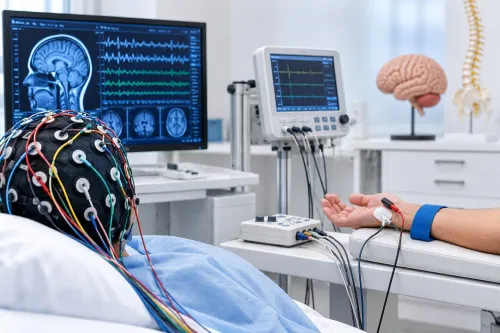
There is no single laboratory test that confirms PSP. Diagnosis depends on a detailed neurological examination, symptom history, and imaging studies that help exclude other disorders.
A neurologist may recommend:
- MRI brain scan
- Detailed movement assessment
- Eye movement evaluation
- Cognitive assessment
- Balance and gait analysis
Repeated follow-up visits may also be necessary because symptoms evolve gradually.
Treatment Goals for Progressive Supranuclear Palsy
Although there is currently no cure, treatment aims to improve mobility, reduce complications, and enhance quality of life.
Management may include:
- Medications to help certain movement symptoms
- Physiotherapy for balance and flexibility
- Occupational therapy to improve daily activities
- Speech therapy for communication difficulties
- Swallowing assessment to reduce aspiration risk
- Nutritional guidance
Treatment plans are adjusted according to symptom progression.
Reducing the Risk of Falls
Falls are among the most common causes of injury in PSP.
Practical safety measures include:
- Removing loose rugs and clutter
- Installing grab bars
- Using walking aids when advised
- Wearing supportive footwear
- Improving home lighting
- Avoiding uneven walking surfaces
These adjustments can help maintain confidence while reducing injury risk.
Supporting Nutrition and Swallowing
Difficulty swallowing may lead to weight loss and chest infections if left untreated.
Helpful measures include:
- Eating slowly
- Taking smaller bites
- Sitting upright during meals
- Following speech therapist recommendations
- Choosing food textures that are easier to swallow
Early intervention helps maintain adequate nutrition.
The Importance of Ongoing Care
Progressive neurological disorders require regular monitoring because symptoms change over time.
Routine follow-up helps:
- Review medications
- Assess mobility
- Monitor swallowing
- Address speech difficulties
- Support caregivers
- Introduce rehabilitation strategies as needed
A coordinated approach often provides the best long-term outcomes.
Expert Care for Complex Movement Disorders
Patients with suspected PSP benefit from specialist neurological assessment and individualized care planning. Dr. Sachin Adukia provides comprehensive evaluation for progressive movement disorders, helping patients and caregivers understand the condition, manage symptoms, and improve everyday functioning. Individuals from Vikhroli and neighbouring communities can access evidence-based neurological care focused on preserving quality of life.
Keywords