Back or neck pain is common, but certain combinations of symptoms suggest that the problem may involve more than muscles, joints, or an isolated pinched nerve. When weakness, abnormal sensation, walking difficulty, stiffness, or bladder and bowel changes occur, neurological evaluation may be needed to determine whether the spinal cord is involved. The correct spinal cord disorder treatment depends heavily on identifying what is affecting the cord and how quickly the condition is progressing.
Patients in Kanjurmarg and neighbouring areas of Mumbai often encounter terms such as myelopathy, spinal stenosis, cord compression, transverse myelitis, or spinal lesions without knowing how these conditions differ.
Spinal Cord Problems Can Have Different Causes
The spinal cord carries signals between the brain and much of the body. Damage or compression can therefore affect movement, sensation, coordination, and autonomic functions.
Possible causes include:
- Cervical or thoracic spinal cord compression
- Degenerative spinal changes
- Disc-related compression
- Spinal tumors
- Inflammatory disorders
- Infections
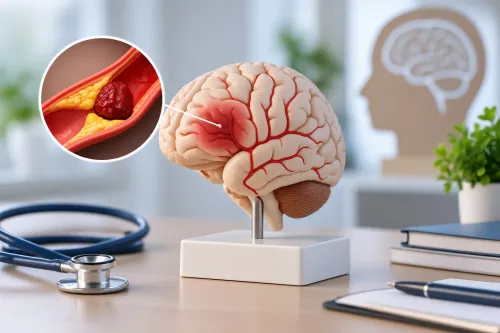
- Vascular conditions
- Traumatic injury
- Demyelinating neurological diseases
- Nutritional or metabolic disorders
Because the causes differ substantially, treatment cannot be selected from symptoms alone.
Clues That Suggest More Than Routine Back Pain
Pain may or may not be prominent in spinal cord disorders.
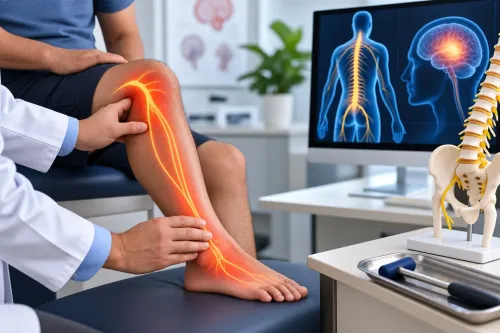
A patient may instead notice that the legs feel unusually stiff or heavy. Walking may become less steady. Fine hand movements such as buttoning clothes or writing can become difficult when the cervical spinal cord is affected.
Neurological warning signs include progressive weakness, numbness involving larger areas of the body, significant balance deterioration, abnormal stiffness, loss of hand coordination, and changes in bladder or bowel control.
The distribution of symptoms helps the neurologist estimate where the problem may be located.
MRI Often Becomes an Important Investigation
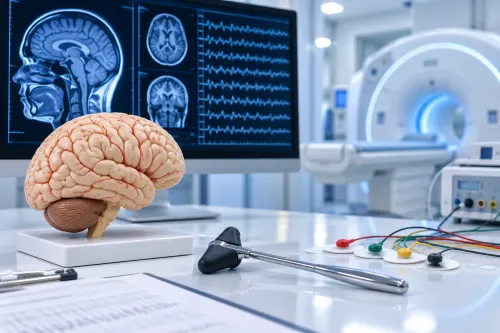
When spinal cord involvement is suspected, MRI can provide detailed information about the cord, spinal canal, discs, vertebrae, and surrounding tissues.
The scan may identify compression, inflammation, structural lesions, or abnormal signals within the cord.
However, imaging should be interpreted alongside the clinical examination. Age-related changes are common on spine scans, and not every disc bulge seen on MRI explains a patient's neurological symptoms.
Additional tests may include blood investigations, cerebrospinal fluid analysis, nerve studies, or specialized imaging depending on the suspected condition.
Treatment Depends on the Underlying Problem
There is no universal medicine for spinal cord disorders.
Mechanical compression may require evaluation by a spine surgeon or neurosurgeon, particularly when neurological deficits are significant or progressing.
Inflammatory conditions may require medical treatment directed at the immune process. Infections require appropriate antimicrobial management. Nutritional deficiencies need correction, while tumors may involve surgical, oncological, or radiation-based treatment depending on their nature.
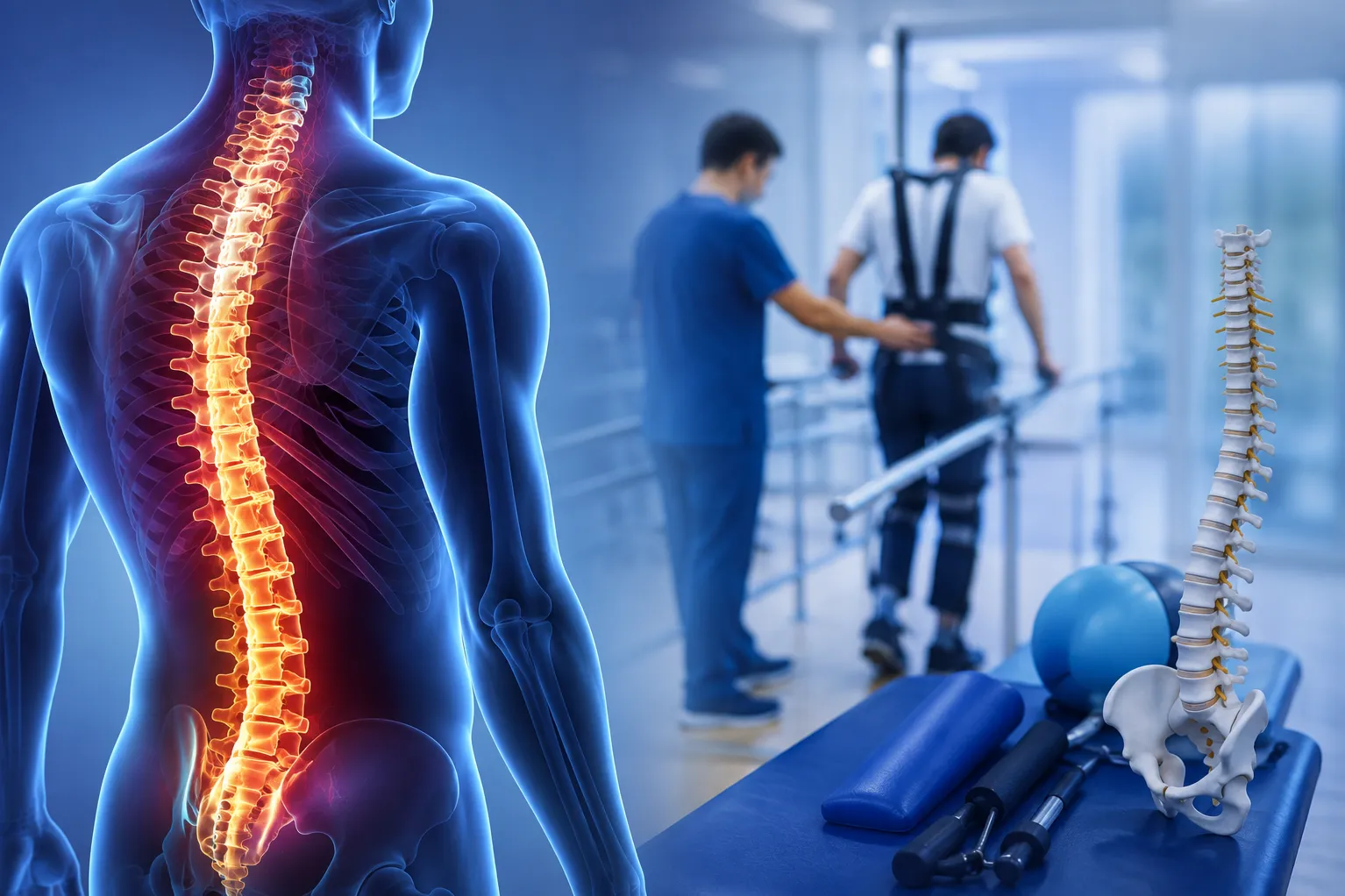
Rehabilitation can also play an important role in recovering or maintaining mobility, strength, coordination, and independence.
When Waiting Can Be Risky
Some spinal problems develop slowly, allowing time for planned investigation. Others require much faster action.
New bladder or bowel dysfunction associated with leg weakness or numbness, rapidly worsening weakness, sudden inability to walk, significant symptoms after spinal trauma, or numbness around the groin and saddle region should be assessed urgently.
For people in Kanjurmarg, Dr. Sachin Adukia provides neurological assessment for symptoms that may originate from the spinal cord and helps determine the investigations or referrals needed.
Effective spinal cord disorder treatment begins with localization: identifying where the neurological problem is occurring and why. Once the cause is established, care can be directed toward relieving compression where appropriate, controlling disease activity, preventing additional neurological damage, and supporting functional recovery.
Keywords