A sudden episode of weakness, slurred speech, blurred vision, or numbness that disappears within a few minutes may seem harmless, but it could be a transient ischemic attack (TIA). Often called a 'mini stroke,' a TIA is a temporary interruption of blood flow to the brain. Although symptoms resolve quickly, a TIA is a serious warning that a major stroke could happen if the underlying cause is not identified and treated.
People living in Kurla and nearby parts of Mumbai should never ignore these short-lived neurological symptoms. Prompt evaluation can significantly reduce the risk of future complications and improve long-term brain health.
What Is a Transient Ischemic Attack?
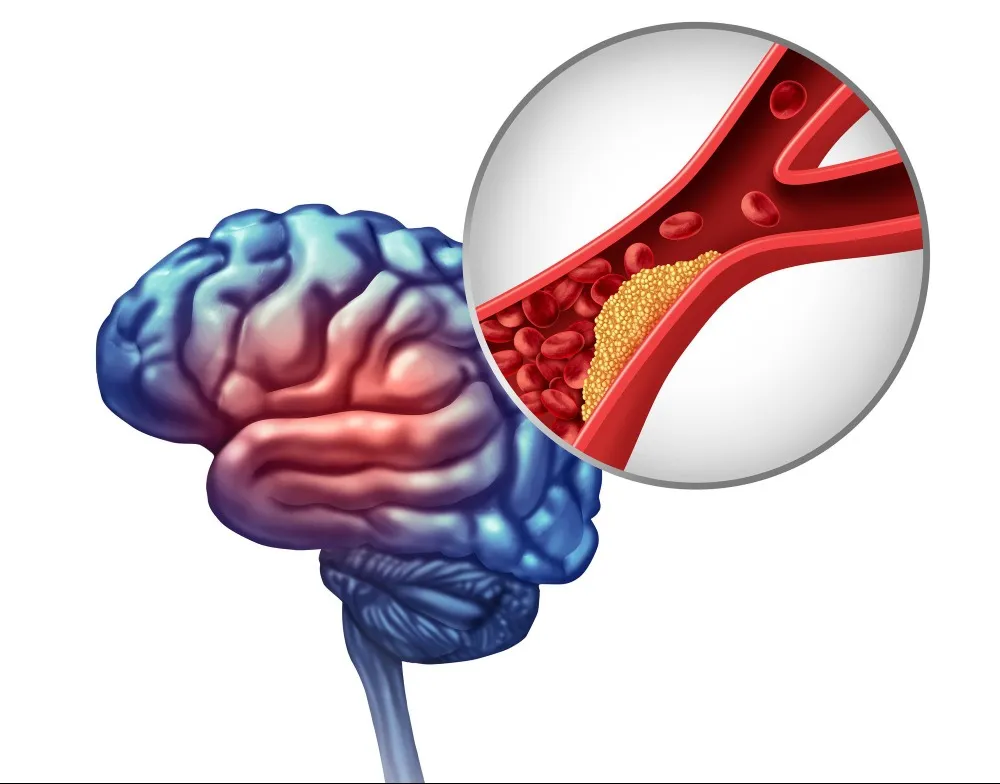
A transient ischemic attack occurs when blood supply to part of the brain is temporarily blocked. Unlike a stroke, the blockage clears before permanent brain damage occurs. However, a TIA should always be treated as a medical emergency because it often signals an increased risk of a future stroke.
Symptoms usually last from a few minutes to an hour, although some episodes may continue for several hours before resolving completely.
Common Symptoms of a TIA
Symptoms vary depending on the affected part of the brain but often include:
- Sudden weakness in the face, arm, or leg, especially on one side
- Difficulty speaking or understanding speech
- Temporary vision loss or double vision
- Sudden dizziness or loss of balance
- Confusion
- Difficulty walking
- Brief episodes of numbness
Even if these symptoms disappear, medical assessment should not be delayed.
Why Does a TIA Happen?
Several health conditions can increase the risk of developing a transient ischemic attack.
Common causes include:
- High blood pressure
- Diabetes
- High cholesterol
- Irregular heartbeat such as atrial fibrillation
- Smoking
- Obesity
- Sedentary lifestyle
- Narrowing of neck arteries
- Heart disease
Managing these conditions plays an important role in preventing future strokes.
Why Immediate Evaluation Matters
Many people assume that symptoms disappearing means everything is normal. Unfortunately, this misconception can delay lifesaving treatment.
Research has shown that the risk of stroke is highest during the first few days after a TIA. Early diagnosis allows doctors to identify the source of the problem and begin preventive treatment before permanent brain damage occurs.
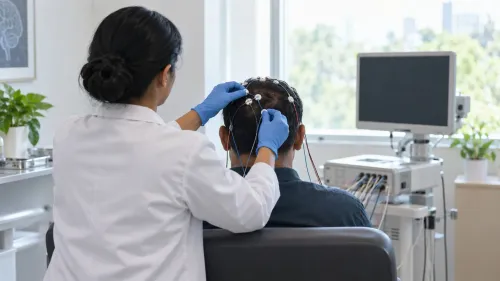
How a Neurologist Diagnoses a TIA
Diagnosing a transient ischemic attack involves more than reviewing symptoms.
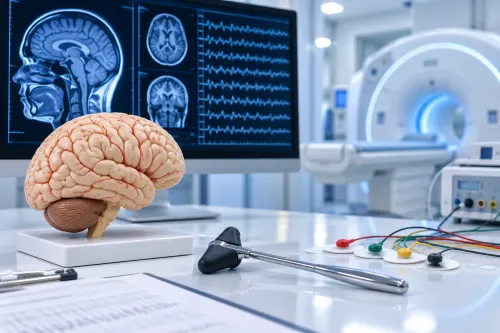
Your neurologist may recommend:
- Detailed neurological examination
- MRI or CT scan of the brain
- Carotid artery ultrasound
- ECG and heart rhythm monitoring
- Blood investigations
- Echocardiography when indicated
These tests help determine whether the episode was caused by a blood clot, narrowed artery, heart condition, or another neurological disorder.
Treatment Focuses on Preventing Stroke
Since TIA symptoms resolve on their own, treatment focuses on preventing another attack or a full stroke.
Management may include:
- Blood-thinning medications when appropriate
- Cholesterol-lowering medicines
- Blood pressure control
- Diabetes management
- Lifestyle modification
- Treatment for irregular heart rhythm
- Surgical intervention for significant carotid artery narrowing in selected patients
Every treatment plan is tailored to the individual's health profile and risk factors.
Lifestyle Changes That Make a Difference
Medical treatment works best when combined with healthy habits.
Important preventive measures include:
- Quit smoking.
- Exercise regularly.
- Maintain healthy blood pressure.
- Follow a balanced diet rich in vegetables and whole grains.
- Keep diabetes under control.
- Limit alcohol intake.
- Attend regular follow-up appointments.
These changes can substantially reduce the likelihood of another neurological event.
When Should You Seek Emergency Care?
Call for emergency medical assistance immediately if you experience:
- Sudden facial drooping
- Arm weakness
- Difficulty speaking
- Sudden loss of vision
- Severe dizziness
- Sudden confusion
Even if symptoms improve within minutes, emergency evaluation remains essential.
Expert Neurological Care Close to Home
Patients experiencing symptoms suggestive of a transient ischemic attack benefit from timely neurological assessment. Dr. Sachin Adukia evaluates patients with suspected TIA using a comprehensive approach aimed at identifying the underlying cause, reducing future stroke risk, and creating individualized treatment plans. For individuals in Kurla and surrounding areas, early consultation can play a critical role in protecting long-term brain function and preventing life-threatening complications.
Keywords